

Optimizing Radiant Energy Density in Glovebox Heaters via Gold Coated Reflectors
Stop Wasting Your Watts: A Better Way to Heat Wafers If you’ve ever heated wafers inside a glovebox, you know the frustration. You’re pumping power...

Ensuring Safety in Flammable Chemical Environments with Encapsulated Carbon Fiber IR Lamps
If you’ve ever worked with chemical cleaning lines, you know the feeling. You’re dealing with volatile vapors and flammable solvents, and the...

Preventing Wafer Contamination via Protective Infrared Lamp Design
Stopping the Mess: When IR Lamps Fail in Wafer Processing If you’ve ever had a burst infrared lamp during a high-load run, you know it’s...

Preventing Wafer Contamination via Safety Engineered IR Lamps for Bio sensor Fabrication
Stop Letting a Single Lamp Kill Your Yield In bio-sensor fabrication, one bad break can ruin everything. It’s a nightmare scenario: a quartz tube...

Reducing Cycle Times in Semiconductor Processing Digital IR Control vs Hot Air Circulation
Why we’re ditching hot air for digital IR Think about how a standard convection oven works. You heat up the air, and then that air eventually...

Maximizing Radiative Energy Transfer in Wafer Heaters via Gold Coated Reflectors
Stop Wasting Heat: Why Gold-Coated Reflectors Actually Matter When you’re processing semiconductor wafers, every wasted watt is basically just...
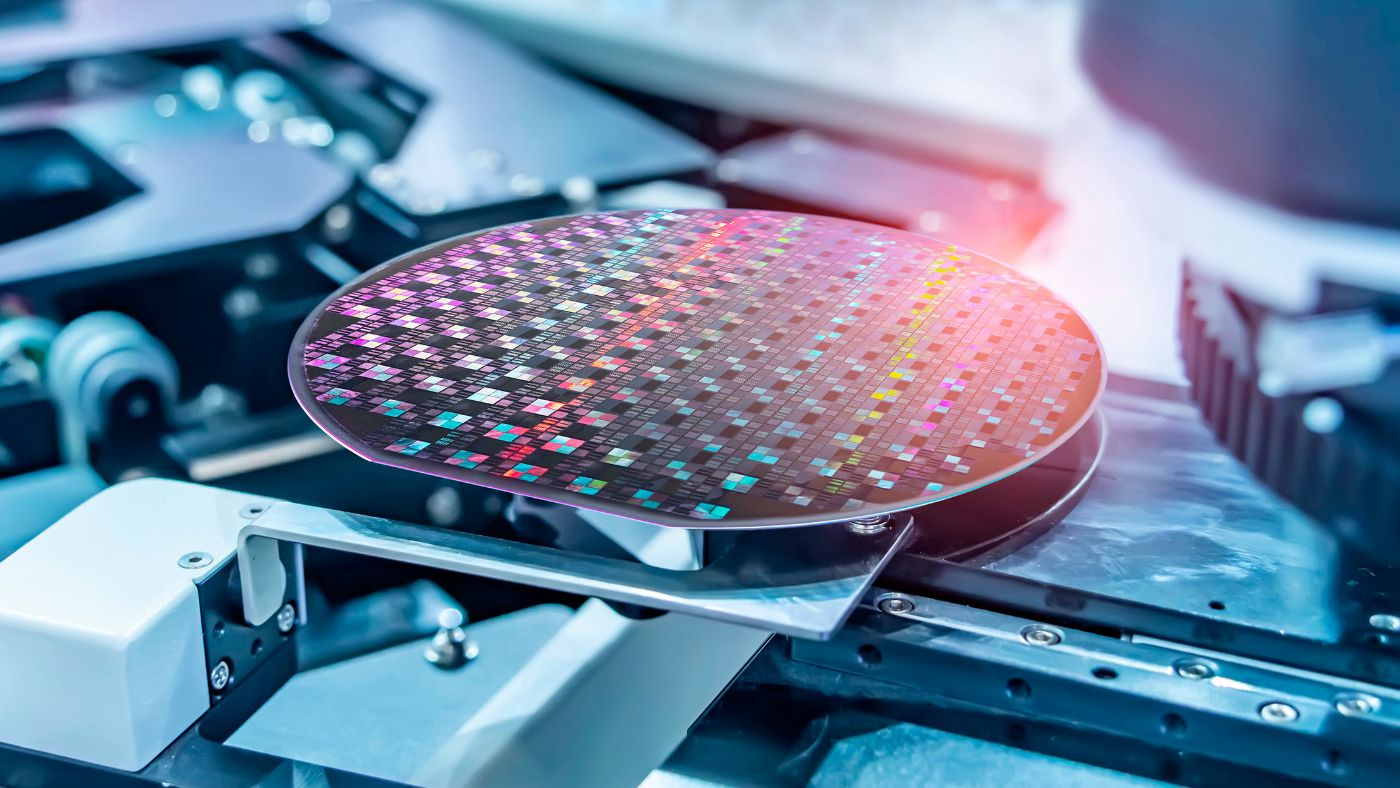
Reducing Cycle Times in Semiconductor Cleanrooms Infrared vs Forced Air Heating
Why We’re Switching to IR Heating for Semiconductor Trolleys When you’re moving wafers or components between stages in deep processing,...
Why Infrared Curing Meets Lead Free and Green Standards in Bio Sensor Fabrication
Why We’ve Switched to Infrared Curing for Bio-Sensors When you’re building bio-sensors, getting the thermal curing right for your polymers and...

Reducing Semiconductor Carbon Footprints via Infrared Heating in Bio sensor Fabrication
Why we switched to IR for bio-sensor fabrication When you’re making bio-sensors, the curing and dehydration steps are everything. For a long...
Reducing Time Costs in Biosensor Fabrication Infrared Heating vs Hot Air Circulation
Stop Heating the Air: A Better Way to Handle Biosensors If you’ve spent any time in a fabrication shop, you know the drill. You’re...
Reducing Cycle Times in Bio sensor Fabrication Infrared Heating vs Forced Air
Why IR is the Secret to Faster Bio-Sensor Fabrication When you’re deep in the weeds of semiconductor processing for bio-sensors, time is your...
Ensuring Safety in Volatile Chemical Environments for Bio sensor Fabrication Infrared Lamps
Keeping Your Bio-Sensor Lab from Going Up in Smoke Making bio-sensors is a delicate dance. You need precise heat for curing or drying, but...
Maintaining Class 100 Cleanroom Standards in Bio Sensor Fabrication with High Purity Quartz IR Lamps
Stop Letting Your Heating Lamps Ruin Your Bio-Sensors If you’re working in a Class 100 cleanroom, you already know the nightmare. One tiny...
Preventing Wafer Contamination Safety Engineering for Bio sensor Fabrication IR Lamps
Stop the Shrapnel: Keeping Your Bio-Sensor Wafers Clean Let’s be honest: when an IR lamp pops during bio-sensor fabrication, it’s a nightmare. It...
Reducing Carbon Footprints in Bio sensor Fabrication via Precision Infrared Heating
Why We Switched to IR Heating for Bio-Sensors Making bio-sensors is a bit of a balancing act. You need enough heat to cure your polymers and bond...