



Introduction
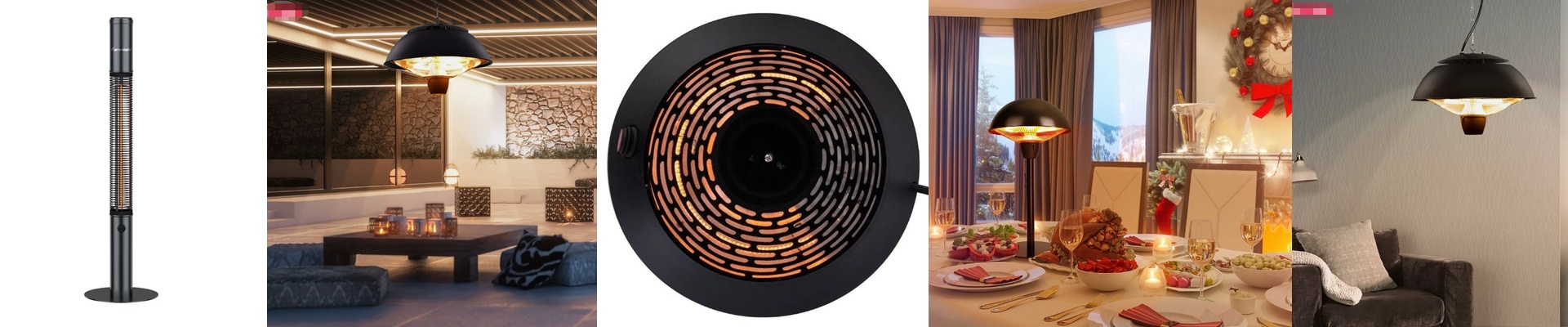
Picture this: we spent time walking through 2,000 European homes. That’s a lot of living rooms, a lot of real-life setups. From all that, we built a freestanding infrared heater with one clear goal—give you direct warmth that fits your life without tearing the room apart. The whole idea? Heat where you need it, exactly when you need it.
Technical Deep-Dive
We started with a simple question: how do you make warmth feel natural in the space you actually live in? So we matched the power to real room sizes, not some idealized number on paper. And here’s the best part—it runs on standard mains voltage. So you can plug it in without rewiring your whole place. It heats people and surfaces first, not the air. That means you feel the comfort faster, and you use less energy than those convection systems that send heat straight up to the ceiling. We made it freestanding for a reason. Life moves—furniture shifts, foot traffic changes. You should be able to move your warmth with you. The heat is shaped to cover seating and dining areas evenly, so you get steady comfort without hot spots.
Material & Design
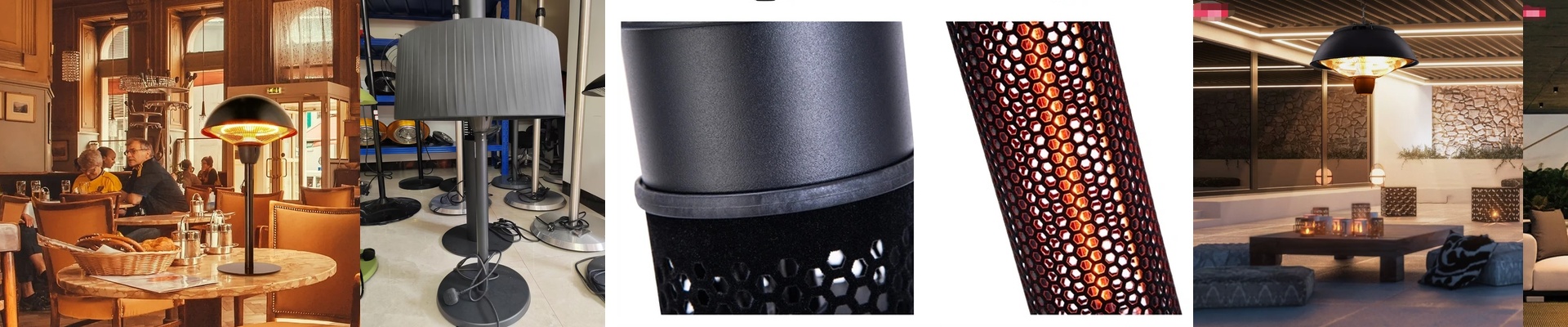
Inside, you’ve got a halogen infrared element tucked inside a quartz envelope. That combo handles repeated heating and cooling cycles and keeps the output steady, even after long stretches of use. The element stays hot and dry, so maintenance stays low and performance stays consistent. For the electrical connection, we went with an R7s connector. It’s a proven industrial standard, which means this unit slides right into existing fixtures and makes service work straightforward. The lamp and socket geometry are matched so you get solid contact and reliable ignition, even after power cycles.
Application & Benefits
If you’re an engineer, you want predictable heating with minimal installation hassle. This delivers exactly that. The halogen infrared system throws out immediate radiant heat—no waiting around for the room to “warm up.” And the R7s interface makes replacements quick, so you spend less time down on the shop floor or out in the field. There is one trade-off, and it’s a fair one. The heat is concentrated, so placement matters. Keep the clearances clear and match the output to the size of the room. When you get that right, you get targeted warmth in a compact footprint, with a design that’s easy to service.
Local Insight, Global Standard
The lessons from those 2,000 homes shaped the ergonomics and the safety logic. And the engineering—halogen infrared, quartz build, and R7s connectivity—means you can put this anywhere you need fast, direct heat with a simple hookup.