



Introduction
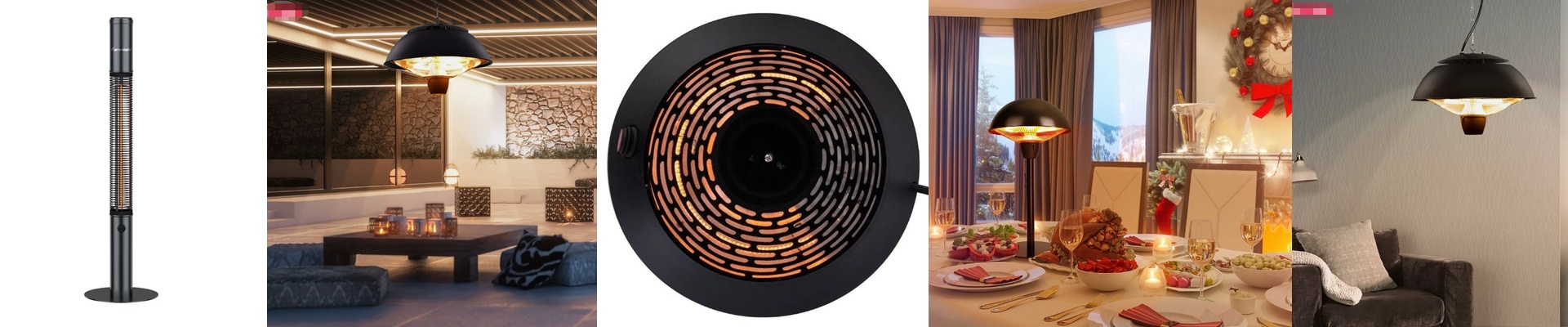
We built the Gold Tube Infrared Heater for one simple reason: to put warmth exactly where it’s needed. It sends heat deep into an animal’s tissues to support healthy circulation, and it does it without that harsh, glaring light. At its heart, it’s a quartz infrared lamp, designed to give you steady, controllable heat inside pet enclosures and other controlled spaces.
The Tech, Without the Fluff
The whole thing hinges on a quartz tube. We chose it because it handles sudden temperature shifts without breaking, and it’s a natural fit for clean infrared output. And that gold coating? It’s not there to look pretty. It acts like a smart filter, helping shape the wavelengths so the heater delivers the kind of infrared that supports natural thermoregulation. Power and voltage are matched to industrial control gear, and the lamp is built to work with 400V systems. That means less current on the circuit, which lets you run longer cables with thinner wire. So you save on wiring costs, and it slips into existing electrical plans without a fight. The tube is compact, and the beam stays focused. That lets you put heat right where you want it, in a tight footprint. You can size the heater to the actual space—not some worst-case draft scenario—and still keep floor and perch temps stable.
What It’s Made Of, and How It Goes In
Quartz glass is tough. It can handle the shock of powering on and off again and again, so you can switch it without worrying about cracks. The gold coating also helps by reflecting some of the output back through the tube. That boosts radiant efficiency and smooths out the overall output. Installation is straightforward. The lamp uses standard R7s end-caps, so it drops right into existing fixtures. The connection points are built for real life—no special tools, no fuss. Just line it up, seat it, and secure it.
Real-World Use, Real-World Payoff
In pet care, infrared warmth does something important: it warms tissues directly, instead of just heating the air. That means fewer drafts that can chill small animals, and more stable microclimates inside the enclosure. But let’s be honest—concentrated infrared output needs thoughtful setup. The heater runs hot, so the enclosure has to allow controlled airflow and keep safe clearance distances. When you plan for that, you get even, predictable heat with low glare. That’s a big deal for skittish animals and sensitive habitats. If you’re planning facilities, this setup gives you a repeatable heat profile in a small footprint, and the installation compatibility means less downtime when you’re retrofitting.