



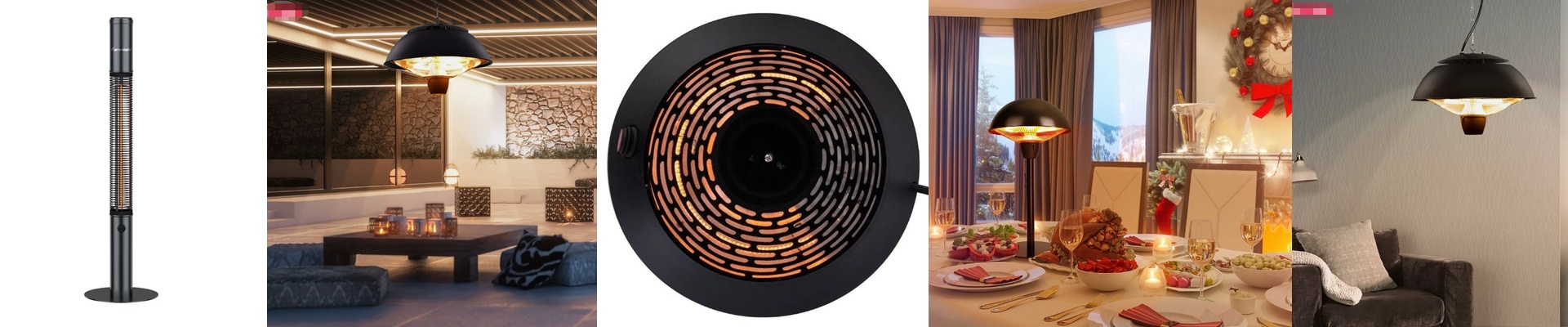
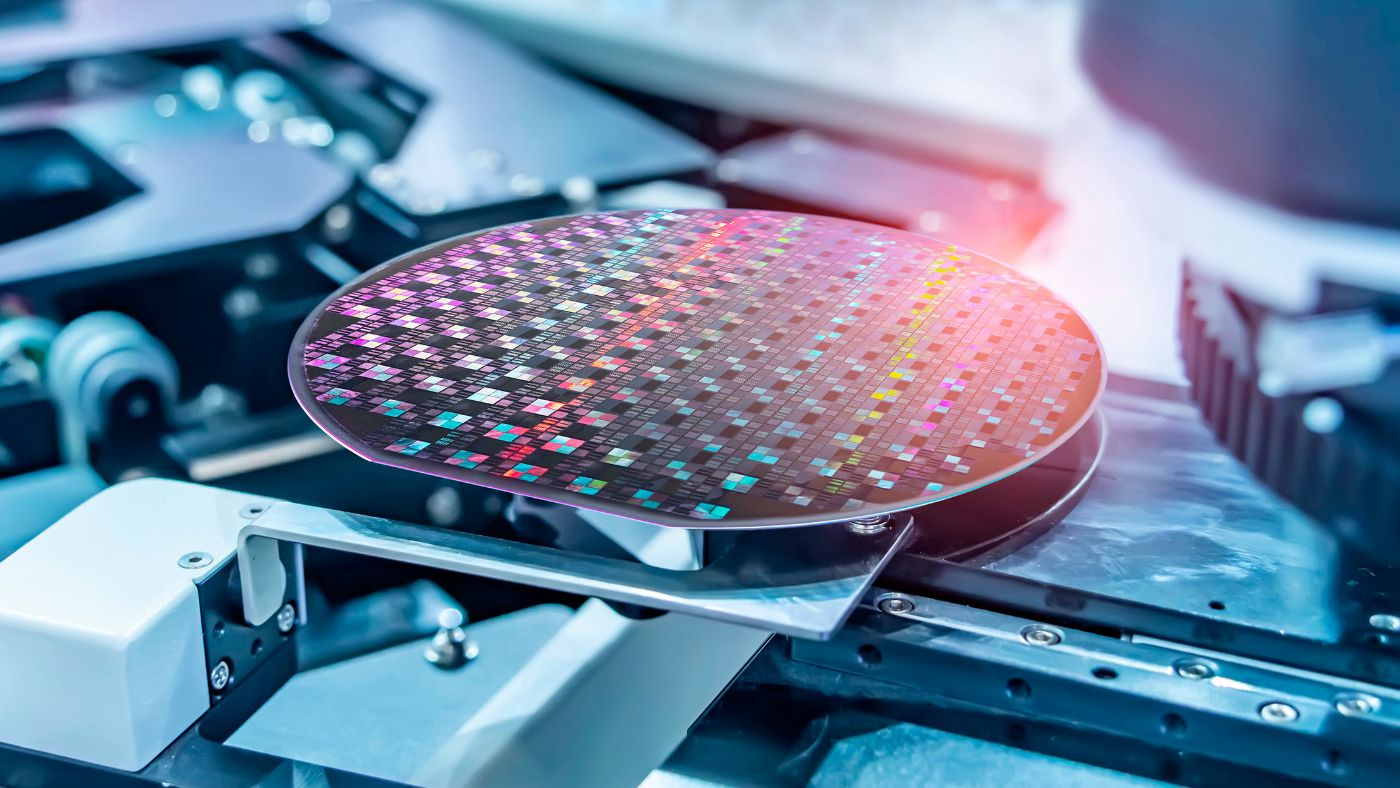
On the fab floor, thermal excursions during oxidation don’t just show up as numbers on a chart—they hit yield, hard. A 2°C hotspot on the boat can throw threshold voltages off and wipe out weeks of careful tuning. We built our wafer oxidation heating elements to take that variable off the table. What matters, technically The element is quartz-based, radiant, and tuned to respond quickly and stay stable. You’re looking at ±0.1°C wafer-plane uniformity across the boat, and cycle-to-cycle repeatability under 0.2°C. Pick short-wave or medium-wave profiles to match your thermal budget: fast ramp for thin gates, controlled soak when you’re growing thick field oxides. The quartz body stays clean—zero particle generation and low outgassing—so it fits Class 1–100 cleanroom operation. Power is sized to your chamber geometry, with standard voltage options and a terminal design that keeps control signals quiet. Why it holds up in real oxidation/diffusion work Inside oxidation and diffusion furnaces, the heater settles the setpoint faster, so you can shorten soak time without losing film thickness control. That translates to tighter CDs downstream, fewer photoresist bake excursions, and less scrap from stress-induced defects. Energy use drops because the element heats on demand and holds steady with minimal overshoot. Reliability shows up as uptime: units have run 5,000+ hours with less than 5% output drift, so planned maintenance stays predictable and unplanned downtime stays rare. What you need to get right up front Installation comes down to clearances—to the boat and to the chamber. If the mounting doesn’t match up, you’ll bake in gradients. The element works with standard furnace interfaces, but you still have to verify thermal coupling for your boat material and load configuration. Plan a short burn-in and a mapping run to lock the recipe in. Expect a bit more PID tuning effort at the start—once it’s dialed in, the process stays locked.