
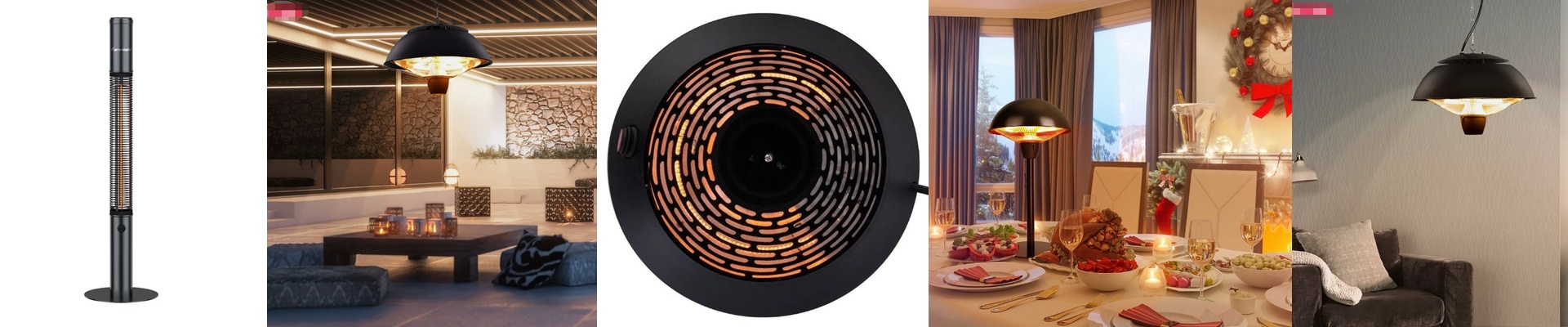




How These Heaters Actually Work
We build wholesale electric infrared heaters because industrial spaces need heat that hits the mark—right where you need it. No fuss, no waiting around. Here’s the magic: electricity runs through a filament, and it radiates heat straight onto whatever you’re aiming at. The air in between? It stays out of it. That direct transfer is why these heaters feel so efficient. But that efficiency only holds when the heating element is clean. Dust on the surface acts like a blanket, trapping heat at the element instead of letting it radiate out. The heater ends up working harder, pulling more power just to hit the temperature you want.
The Specs That Actually Matter
We engineer these heaters to match the power setups you already have in industrial spaces. A 400V, 2500W configuration gives you the punch needed for big areas. For smaller workshops, the 230V model is a common fit. Tube length—300mm or 500mm—shapes the beam angle and how much space gets covered. Pick the wrong length, and you’ll either get hot spots or not enough heat. Then there’s the connector—R7s or Sk15—chosen so the high-current connection stays solid. A loose connection here causes voltage drop and can lead to terminals overheating.
Built to Last, Not Just to Heat
The heart of the heater is a quartz tube with a halogen filament inside. It handles rapid temperature swings without cracking. The surface often gets a specialized coating to resist oxidation and keep output steady over its life. The R7s connector is double-ended and linear, so installation is a simple drop-in. It carries high current without arcing—a problem that shows up fast on cheaper units.
Real-World Use: Strengths and the Fine Print
On the job, these heaters shine at spot heating, curing coatings, and keeping work areas comfortable. The heat density is strong, no question. But there’s a trade-off. The cooling system needs to be sized correctly to manage the rise in ambient temperature. And maintenance? It’s non-negotiable. Wipe the tube with a dry, lint-free cloth every week. Check connectors for heat discoloration. That small routine keeps the unit running true and prevents early burnout.
Keeping Performance High, Without the Drama
Dust is the silent thief of infrared heater efficiency. It forces the unit to work harder, pulling more current and pushing operating costs up. Here’s a simple cleaning rhythm that keeps things humming:
- Power down and let the unit cool completely.
- Use a soft brush or dry cloth to wipe the entire tube surface.
- Never use water or solvents—they can bake onto the surface and leave a film. Every quarter, check the mounting hardware and electrical connections. A loose wire or a dirty tube will push energy bills higher and shorten the heater’s life. When you take care of it, the element stays clear, the connections stay tight, and the energy use stays right where it should be—matching the rated performance.