


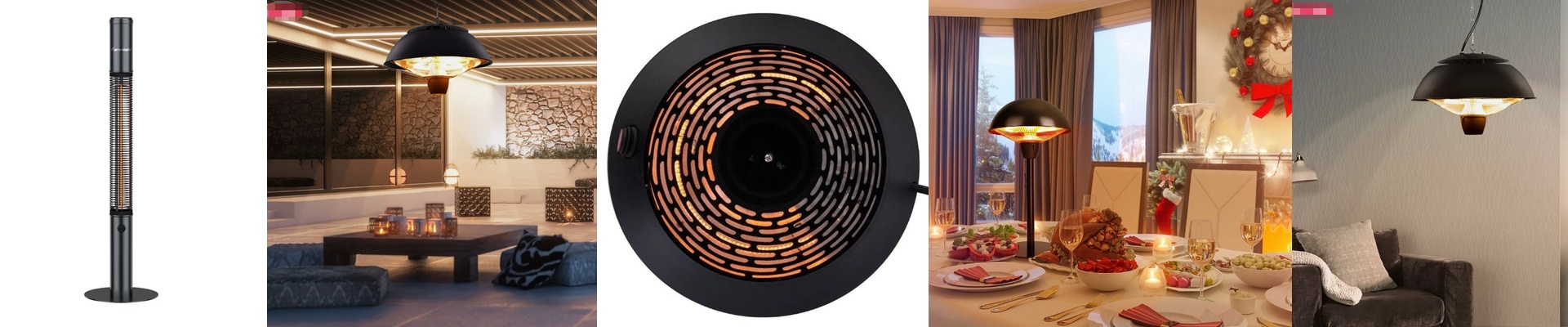


When winter settles in, the living room can split in two: warm right next to the heater, and noticeably cooler just a few steps away. That uneven warmth isn’t just annoying—it makes you run the heater longer, pushes up energy use, and still leaves cold pockets where you actually sit.
Infrared space heaters cut through that by radiating heat directly to people and surfaces. But performance still comes down to one thing: how the heat is aimed.
What matters under the hood
Infrared warmth starts at the emitter—whether it’s a quartz tube, a carbon fiber element, or a short-wave lamp—then hinges on the reflector to shape the beam.
We lean on geometric optics to get the reflector geometry right: the profile is shaped to set the beam angle and intensity so the energy lands evenly across the target area. A shallow, wide-angle reflector spreads comfort across a sofa and chairs. A deeper, tighter profile concentrates warmth where you need it, for focused zones.
In practice, you get steadier heat from head to toe, not a hot spot at the knees and cold feet. Efficiency improves because less output gets wasted overheating nearby walls or missing the seating area—so the heater hits the set feeling sooner and cycles less.
Why this works in a living room
A living room is a mix of seating, movement, and drafts from doors and windows. Reflector-driven uniformity keeps the whole seating area in the same comfort zone, so conversations don’t get interrupted just because someone shifted two feet.
The payoff is fewer temperature swings, more stable comfort, and shorter running time for the same level of coziness.
What to keep in mind
Placement matters. For even coverage, keep the heater at the height recommended for the beam spread, and avoid pointing it straight at reflective surfaces like glass—heat bounces back and glare becomes an issue.
Also, infrared heats objects and people directly, so it’s normal for the air to feel cooler while the floor and furniture feel warm.
Pick a model with a thermostat, tip-over protection, and the right clearances, and plug it into a dedicated outlet. That keeps operation smooth and safe.