


Keeping Your Class 100 Cleanroom Actually Clean
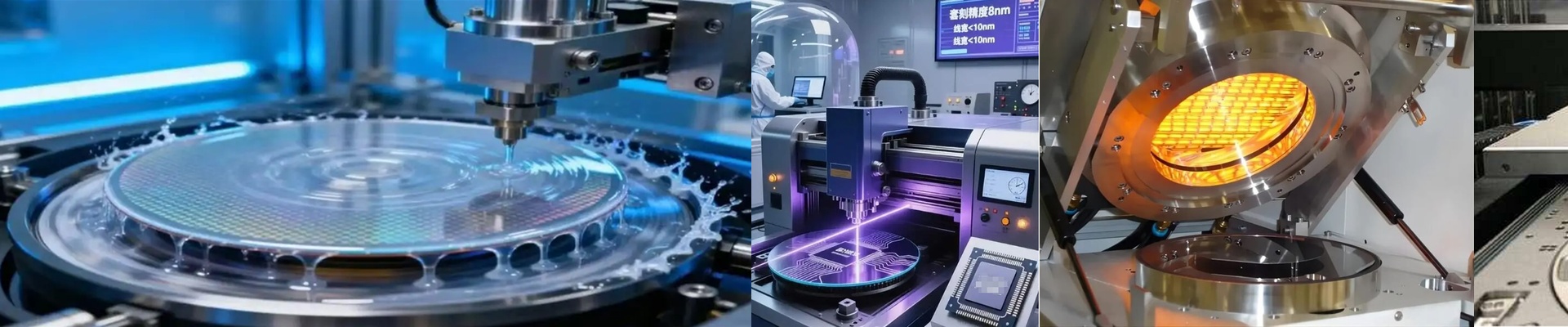
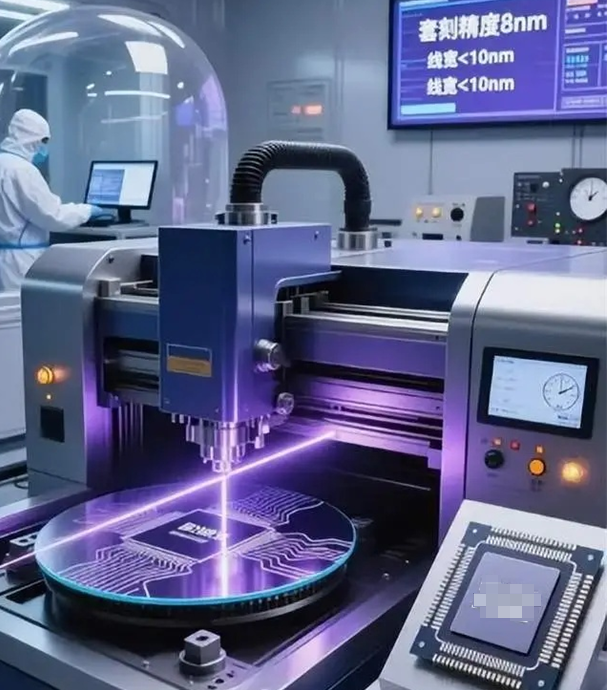
If you’re heating a workpiece in a vacuum chamber or a Class 100 cleanroom, you already know the nightmare: one tiny speck of dust or a stray chemical gas, and your entire batch of wafers or optical coatings is trash. Most standard heating elements just aren’t built for this. They leak binders or oxidize, which is basically like throwing glitter into a surgery room. We fix that by using high-purity synthetic quartz infrared lamps. The fight against outgassing Here’s the thing about materials. We use fused silica quartz that’s stripped of metallic impurities. Why? Because when the lamp hits operating temperature, you don’t want it spitting out volatile organic compounds (VOCs). Standard glass would just soften or crack under that kind of pressure. Our quartz stays rigid and clear, even when things get incredibly hot. And we don’t mess around with cheap glues. Every seal is either fused or mechanically clamped. No adhesives, no off-gassing, no ruined parts. Dealing with the vacuum Vacuum environments are tricky because there’s no air to move the heat away. Without convective cooling, the lamp envelope can easily overheat and just… pop. To stop that, we spec these lamps for high-density shortwave radiation. The goal is to get the energy hitting your target, not heating up your chamber walls. One quick tip: make sure your mounting brackets are made of low-expansion alloys. If they expand too much during thermal cycling, they can snap the tube. It’s a small detail that saves a lot of headache. Getting it up and running We ship these with vacuum-compatible feedthroughs to make your life easier. When you’re wiring them up, just be careful with the torque on the end caps. You want a tight vacuum seal, but if you overdo it, you’ll stress the quartz. If you’re pushing high wattages, double-check that your cooling jacket can actually pull the heat away from the lamp ends. These are designed to be drop-in replacements for your current high-purity setups. Just one last thing—keep an eye on your vacuum pump’s capacity during that first power-up. The initial bake-out phase can be demanding, and you want to make sure your system can handle it.