



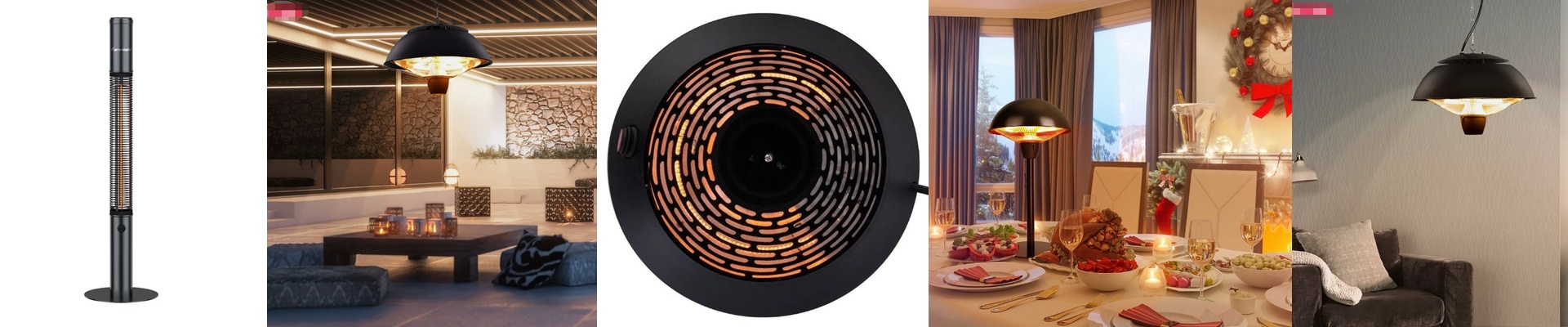

On the fab floor, thermal excursions don’t show up with a warning—they show up as yield bleeding away. A 0.5°C drift during photoresist bake is enough to push critical dimension control outside spec. And a hot plate that isn’t uniform? You’ll see watermarks after wafer drying. The hit isn’t just scrap—it’s schedule slip. What matters, technically We design these heaters around tight thermal control: ±0.1°C setpoint stability and wafer-level uniformity. We use short-wave halogen or medium-wave infrared, routed through quartz windows for clean heat transfer. Fast ramp rates cut cycle time without stressing the stack. The hardware is specced for Class 1–100 cleanroom duty: low outgassing materials, zero particle generation in the heated zone, and 24/7 reliability backed by MTBF data. Repeatability is built into the control loop, not tacked on after the fact. Why this works where it counts This heater is engineered for the four thermal nodes that set the tone for front-end and packaging quality: wafer drying, photoresist soft bake and hard bake, package cure, and post-clean drying. Tight uniformity means fewer defects across the wafer, tighter CD control in lithography, and consistent crosslinking in encapsulants. You get shorter thermal recipes, less energy per lot, and fewer heater swaps—because stability is measured in shifts, not minutes. Here’s what you need to plan for The system integrates cleanly, but alignment is non-negotiable. The substrate has a narrow thermal window; overshoot during ramp-up can distort thin films. Make sure you plan exhaust routing and proper thermal isolation so you don’t get crosstalk with adjacent tools. And match the heater to your chuck geometry and your process thermal budget—otherwise the specs on paper won’t translate to the floor.