



Outdoor Infrared Heater: How a Modular Design Saves You Years of Maintenance Headaches
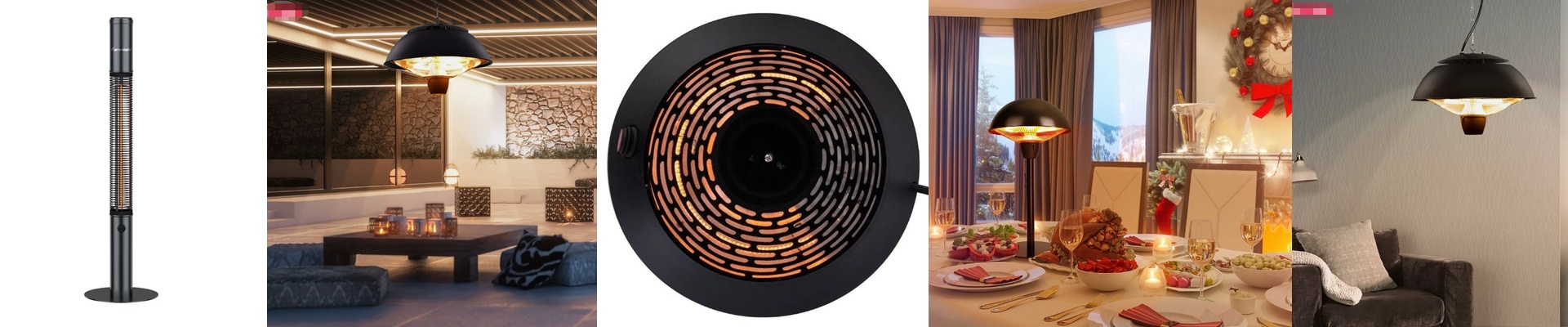
We built this outdoor electric heater for the plant floor—because out there, nothing matters more than keeping things running and getting a quick fix when something breaks. At its heart is an infrared heating module made for the outdoors. It throws off direct radiant heat that pushes right through wind and cold. It warms people and surfaces without wasting time heating the air.
Power, voltage, and the practical stuff
It runs on 400V, paired with a high-output infrared tube. That voltage choice lowers the current draw, which means you can use smaller wire and worry less about voltage drop over distance. The tube is long, but the footprint is tight. So you can target a specific heating zone without rearranging your whole line. It delivers intense, localized heat fast. That’s the upside. But it also means you’ve got to plan for proper airflow and heat dissipation. If you don’t, the components will feel the strain over time.
The build: tube, coating, and the swap that actually saves you time
The heating element is a quartz infrared tube, filled with halogen gas and finished with a reflective coating. That coating helps focus the energy forward and shields the filament from drafts and grime. And here’s the part you’ll actually appreciate when something goes wrong: it’s built around a plug-in design. The R7s connector is made for high-temperature runs, so replacing the tube is a true drop-in job. No crimping. No splice boxes. Just pop it out, plug the new one in. When a tube burns out, you’re back up in minutes—not hours.
Where it shines—and why it keeps your day simpler
Use this setup wherever you need outdoor heat at the line entrance, around loading bays, or at process stations that take the full brunt of the weather. The modular design is all about cutting downtime. If a tube goes after years of use, you replace just the heating module, not the entire heater. That means less spare inventory sitting around, fewer service calls, and a faster return to production. The trade-off is honest: it’s powerful enough to handle harsh exposure, but you need to match your cooling and mounting to the heat density. Do that, and the whole system stays reliable—without eating up your maintenance hours.