

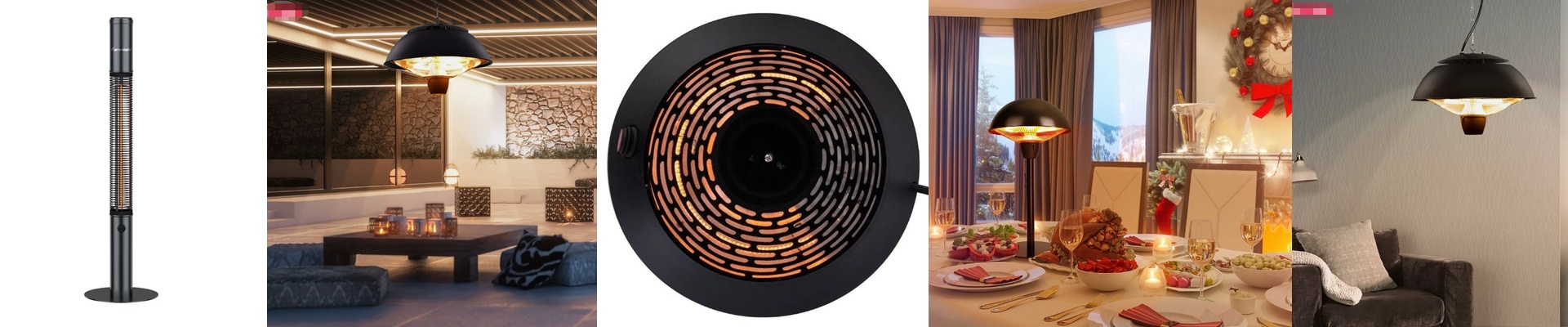


The Real Engineering Behind a Pet-Safe Heater
Here’s the thing: when you’re heating a space for pets, you can’t cut corners. Warmth has to be steady, and safety has to be absolute. That was our starting point. We set out to build an infrared heater that could handle this kind of responsibility. It had to warm up fast, stay reliable, and fit into your setup without a fight.
Power That Kicks In—Immediately
The core of this heater is a high-output infrared element, and it was designed for one thing: speed. Turn it on, and you get heat—now. It hits full operating temperature in seconds. No waiting around. To make that happen, we built it for a 400V input. That gives you serious wattage in a small footprint, so you get more heat packed into less space. But more power means more heat to manage. So yes, you’ll want a cooling and ventilation plan that matches the output, just to keep the surrounding air comfortable.
Built to Handle the On/Off Grind
This thing gets cycled on and off a lot, especially when it’s following ambient conditions. So we chose a quartz envelope with halogen-filled tech. Why? It keeps the filament temperature stable, and that protects the element over time. It’s the kind of durability you need when the heater is constantly responding to the environment. And the connector? We went with an R7s. It’s a proven industrial interface that locks in solid, repeatable contact. It handles thermal expansion and vibration without blinking, and it makes the lamp a simple drop-in replacement. No fuss.
Warmth Where It Matters—Without Hot Air
In pet environments, you want localized warmth, not a space that feels like a sauna. Our infrared profile focuses the energy right where it’s needed. That means less wasted heat in the surrounding air, and a more controlled feel in the room.
Consistency That Saves You Time
From prototyping all the way to volume production, we don’t change the core specs. That consistency is what lets us respond quickly when you need units. No re-engineering the basics for each batch. So you spec it once, wire it once, and then you just rely on it—steady as it goes.