

Introduction
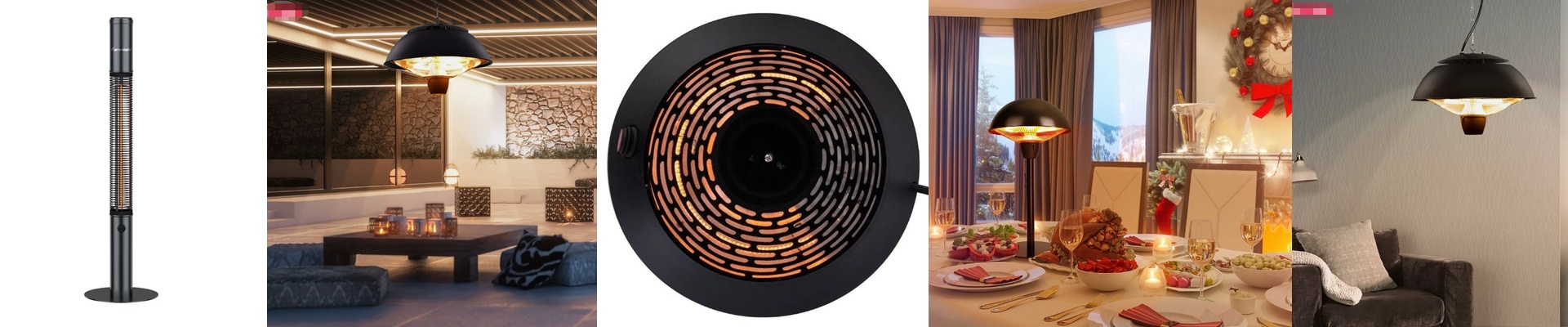
We built this outdoor infrared patio heater for places where the weather is a daily reality—think bars and commercial spots that are open come rain, wind, or damp. It throws heat directly onto people, not the empty air around them. That means you get warm, efficient energy even when the wind is whipping. The whole idea is simple: keep it running, and keep maintenance from eating your day.
Power and Architecture: Built for the Big Outdoors
These heaters run on serious power, typically on 400V, the kind of industrial juice needed to cover large outdoor areas. That voltage keeps the high-density heating elements humming without straining your wiring, so you get real warmth across a wide footprint. The size of the unit matches the heating element inside. Bigger element, more heat. That way, you can match the heater to the exact space you need to warm.
Material & Design: Fix It Fast, Not Fussy
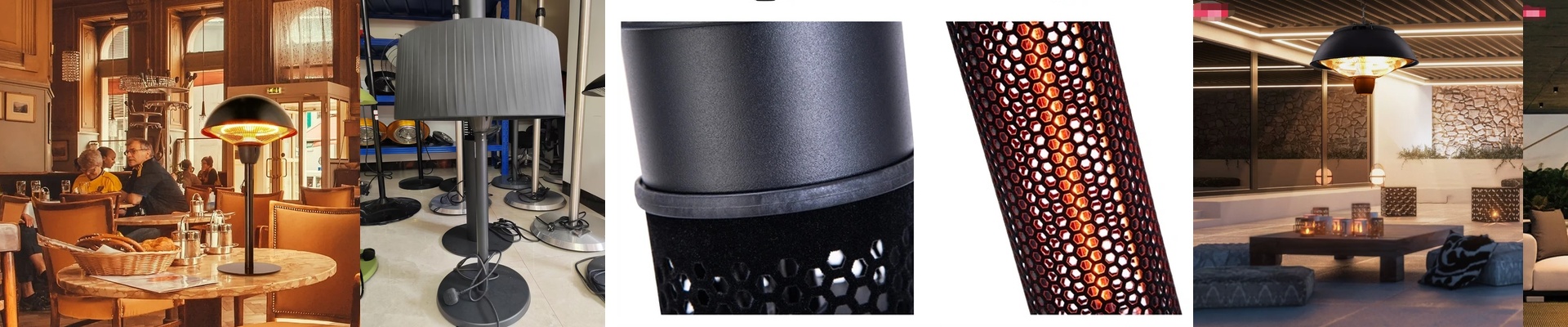
Here’s the best part: the heating assembly is modular. The heating tube is its own self-contained unit, designed to be a simple drop-in replacement. So when a tube finally gives up after years of service, the fix isn’t a big, messy overhaul. A technician just swaps the tube, and you’re back up and running. No replacing the whole heater body. That saves you on parts and labor. And the waterproof housing? It keeps moisture away from the electronics and the connections, so the whole system stays reliable even when the weather turns ugly.
Application & Benefits: Plan for the Long Haul
In a commercial bar, a broken heater isn’t just an inconvenience—it’s lost revenue. We built this modular approach for the long game, because wear and tear is just part of the job. With a standard heater, you might be looking at a full replacement after five years. With ours, it’s a simple tube swap. Just keep in mind, the infrared element packs a serious punch. You’ll need proper mounting clearances and a solid power supply. Make sure you plan for ventilation and that your electrical setup is up to the task. That’s how we keep your customers warm and your maintenance predictable—so you can focus on the people, not the equipment.