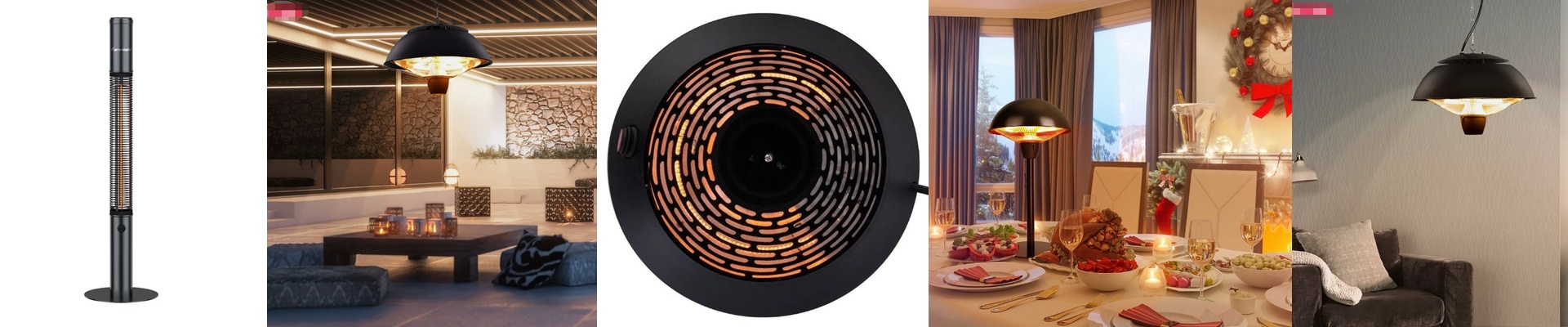




Getting Real About Bathroom Heat: Power, Voltage, and Why It Matters
Let’s talk about bathroom heaters—the kind that actually earn their keep. We built these as waterproof infrared units, because bathrooms are wet, period. And if you’re choosing one, the main thing to get right is matching power to the size of the room. For a typical 4–6 m² bathroom, a 250W to 500W infrared lamp usually hits the sweet spot. If your space runs bigger—up to around 10 m²—step up to a 1000W or 1500W model. That’s how you get the right heat density without wasting money on energy or coming up short when it matters. Electrical specs matter, too. These run on standard mains voltage, but the magic is how the electricity turns straight into radiant heat. No waiting around. Flip the switch, and the heat starts hitting the floor and objects directly. That’s the big difference: you’re not heating the air just to watch it disappear. You’re warming the surfaces and the people in the room. It’s focused, and it’s efficient.
The Inside Story: Built to Last, Not to Fail
Inside, you’ve got a halogen-filled quartz tube. The halogen cycle keeps the heating element clean, so it doesn’t burn out early like a regular filament bulb. That’s the kind of detail that adds up to a much longer working life. And waterproofing? Non-negotiable. We seal these units to handle high humidity and direct splashes, so the electronics stay protected from corrosion and short circuits. The connectors are industrial-grade, made for a secure fit that stays put—no wiggling, no worrying. And because the design is compact, you can mount these on the ceiling or the wall without taking up space.
Why This Approach Actually Solves Bathroom Heating
Here’s the part people love: energy used where it counts. Traditional bathroom heaters spend a lot of power heating air that just escapes. Our infrared heaters put the warmth right where you feel it—on you. That focus cuts down on wasted energy. But it does mean you need to plan for the concentrated output. A 1500W unit puts out serious heat in a specific area, so you still want proper ventilation to keep the overall temperature and humidity in check. When you pick the right wattage for the room, the heater runs within its sweet spot—consistent, low-maintenance, and easy on operating costs. It’s a straightforward, practical way to keep your bathroom comfortable without the guesswork.