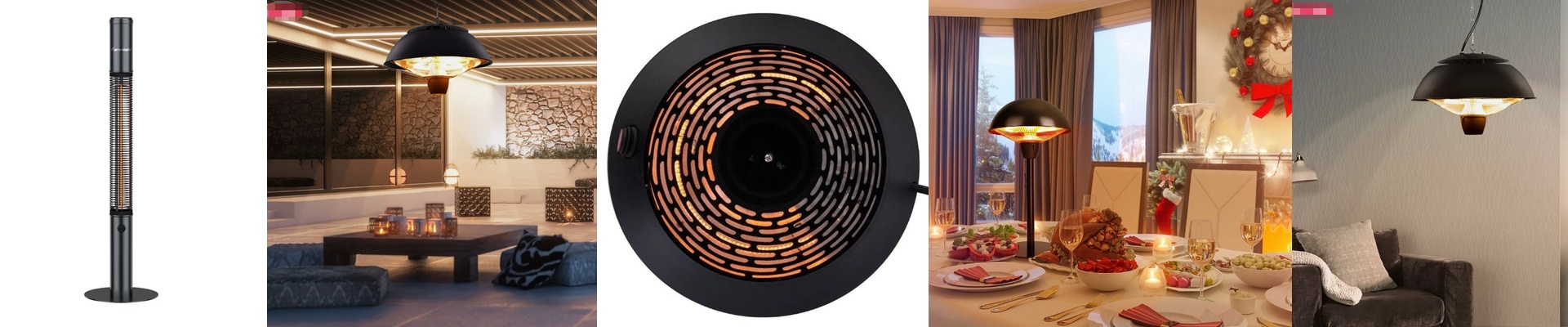




That thin layer of dust on an infrared electric heater? It might look harmless, but it’s quietly stealing performance. Whether you’re running it on the patio, in the garage, or next to a workshop bench, grime forces the element to work harder—pushing up energy use and shortening its lifespan. The fix is straightforward: keep up with regular, thoughtful maintenance.
What matters, technically
Infrared electric heaters deliver warmth by radiating heat directly to people and objects, not by trying to warm the air. Most models rely on a carbon fiber element or a quartz tube—both chosen for fast response and even output. You’ll typically see 1,500 to 5,000 watts, on standard 120-volt or 240-volt circuits, with a tip-over safety switch and an adjustable thermostat. A clean reflector keeps the heat directional, and a sealed housing helps protect against moisture when the heater lives outdoors.
Why this matters in real use
In day-to-day operation, you want warmth that shows up fast and feels steady. When the front glass and reflector are free of dust, the unit comes up to temperature quickly, holds consistent comfort, and uses electricity more efficiently. That matters on chilly mornings and windy evenings—when a clear radiant path means you feel the heat within seconds, not minutes. Keeping the heater clean also reduces strain on the internal parts, which helps it stay reliable season after season.
What you need to do—and what to watch for
Before you clean, power down and let the unit cool. Wipe the front glass and reflector with a soft, dry cloth; for stubborn spots, go with a slightly damp cloth and dry immediately. Skip abrasive cleaners, and never spray liquid directly into the vents. During heavy use, plan to inspect and clean every few weeks. One reality check: in very dusty environments, even a well-kept heater may need more frequent checks to keep performance steady.