




In a gallery or museum, the wrong kind of heat isn’t just uncomfortable—it’s a risk. Forced-air systems kick up dust, create hot and cold spots, and throw humidity off the mark for delicate pieces. Curators and facilities teams need heat that guests don’t notice, but that the collection can absolutely rely on.
What matters under the hood
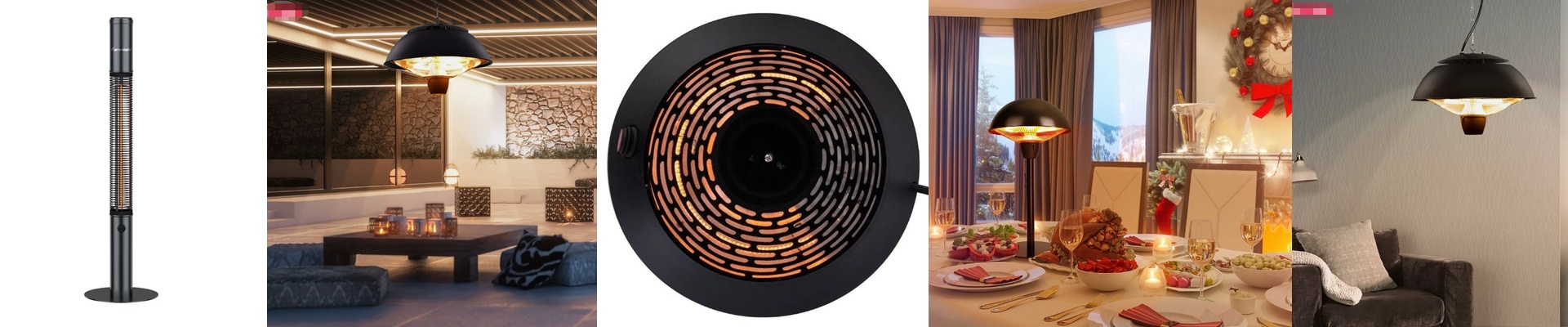
We built this mini electric heater around infrared radiant heat, using a quartz element that throws warmth immediately without moving air. The result is directional heat—think sunlight warming a surface—so people feel comfort right away while the air stays still. It’s compact, runs quiet, and plugs into a standard outlet, so it slips into tight gallery spaces without a fuss.
Why this approach works in a gallery
Infrared warmth hits people and the immediate micro-zone, not the whole room volume. That matters when you’re protecting paper, canvas, pigments, and wood. With no fan to stir things up, dust stays put—out of the display. Because the heat warms surfaces directly, it helps keep conditions stable near the artwork and cuts down the swings that drive conservation costs. Staff and visitors feel it instantly: a gentle, even warmth that keeps the chill from pushing you away from the art.
The practical bits
Infrared is directional, so placement matters. Position the heater to warm occupant areas and pathways, not aimed straight at fragile surfaces. It’s designed for indoor use and needs power nearby; in very humid or exposed spots, check the IP rating and keep the unit protected. Used thoughtfully, it delivers precise, low-impact warmth that keeps the focus on the art—and on everyone who comes to see it.