



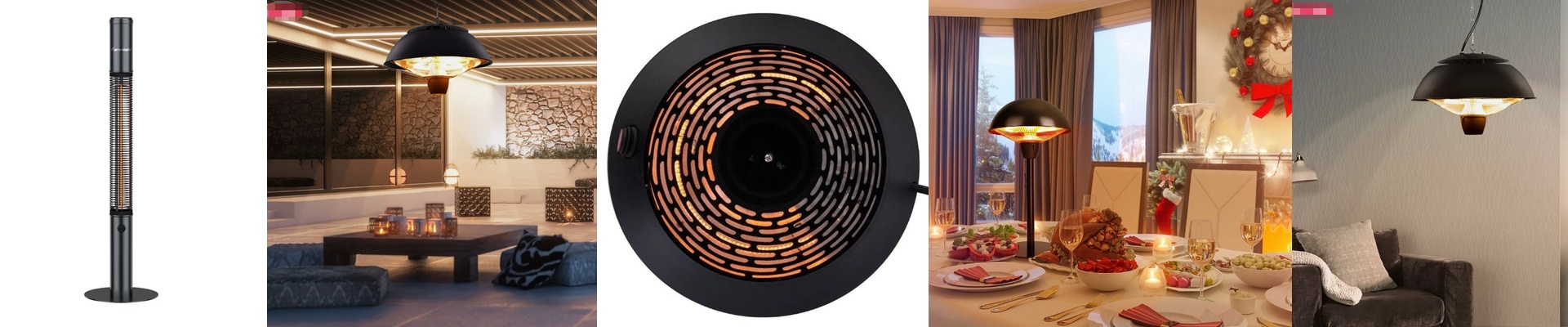

You know that feeling on a cold morning—standing in the workshop or under a covered patio, waiting for the space to warm up while the energy meter keeps climbing. The question isn’t whether infrared heat feels good. It’s whether it actually saves energy. For facilities and homes that track consumption, an ERP compliant heater delivers a practical answer, because efficiency is baked into the design, not tacked on later. What matters under the hood Infrared electric heaters deliver radiant warmth—heating people and objects directly instead of trying to warm the air. Many ERP compliant models use carbon fiber or quartz elements that turn electricity into focused infrared warmth with very little waste. Add in a precise thermostat and smart duty cycling, and the unit only draws power when it needs to, avoiding the constant full-load drain you get with forced-air systems. In practice, that targeted approach can trim total heating energy use by up to 30% compared with conventional heating in similar spaces. Why this makes sense in real-world spots In a workshop, garage, or outdoor seating area, comfort isn’t just about temperature—it’s about steady warmth where you actually are. Infrared warmth reaches you immediately, so you don’t have to pre-heat the whole area. That means shorter run times, lower peak demand, and a real dip in operating costs. For businesses, an ERP compliant heater supports energy reporting and sustainability goals. For homeowners, it means lower bills without giving up coziness, and the gentle radiant heat can ease stiff muscles on cool evenings. What to watch for Infrared heaters perform best in well-insulated, covered spaces with fewer drafts. Direct wind and rain cut into performance, so pick a model with an IP rating that matches the setting. Most units plug into a standard outlet, but higher-output heaters may need a dedicated circuit. Placement matters, too—mount or position the heater so the beam covers the main seating or work zone, and keep clearances clear for safety.