


Winter finds the cracks—under doors, around windows, in the very bones of a room. When the air turns sharp, a conventional heater makes you wait, cycling through noisy drafts while the chill just hangs on. What you want is warmth that shows up fast, feels even, and fits the way you actually live.
What matters, under the hood
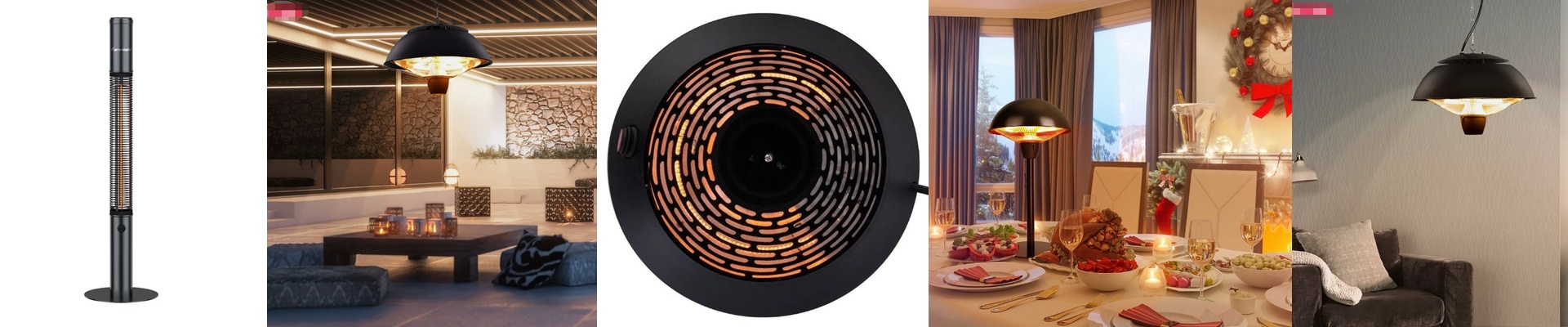
A carbon crystal heater makes infrared warmth by running current through a carbon-based element and radiating that heat outward. What you get is directional radiant heat—warming people and surfaces first, not just the air in between. In practice, that means comfort hits you sooner, often within seconds of turning the unit on, and you get less of the on/off temperature swing that comes from heating air alone. We built the core to run quietly. Radiant heat doesn’t need a fan to carry it across a room. The heater is designed for home use, runs on a standard electric setup, and goes together without drama. It’s also engineered to deliver steady output without cooking the surroundings. For safety, it includes overheat protection and tip-over protection, so the unit shuts down automatically if it gets knocked out of position.
Why this approach works where you live
Infrared warmth isn’t just convenience—it’s about how a home feels in winter. In living rooms, bedrooms, and the quiet corners you actually use, the carbon crystal heater gives gentle, immediate heat that can support better circulation and help muscles loosen after a long day. Because it heats where you are, you don’t have to overheat the whole room, and family time feels cozier—less waiting, more being together. It also fits how you actually use space. The warmth is local and controllable, so you can stay comfortable without pushing the whole-house thermostat higher. That focused approach can mean more efficient heating in smaller zones, especially in drafty or stubborn rooms.
What to keep in mind
Radiant heat works best when it has a clear line to the people and objects you want to warm. Place the heater so it “sees” the seating area, and keep it at a safe distance from curtains, furniture, and other combustibles. This is an electric heater, so it needs a grounded outlet and enough clearance around the housing for airflow. One real-world trade-off: infrared warmth doesn’t heat the air, so you can still feel a cool draft if air is constantly moving or the room is very open. In those spots, pairing the heater with a gentle circulation fan helps distribute the warmth more evenly.