



Why we’re ditching ovens for IR curing
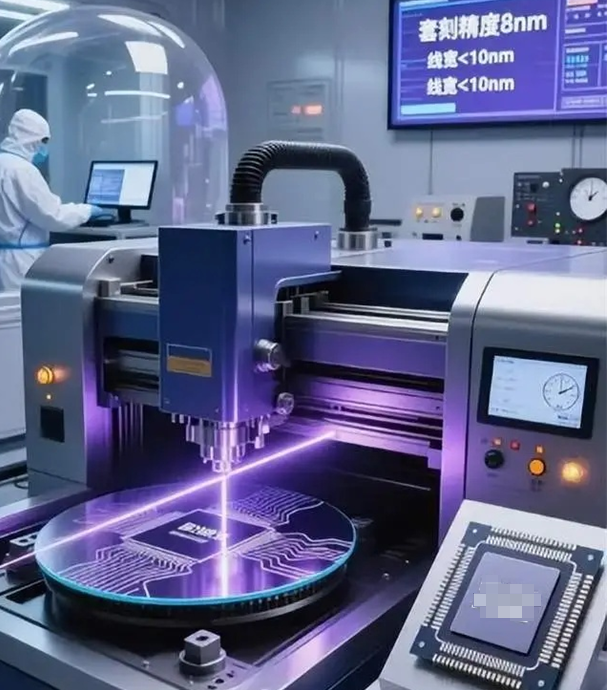
When you’re building biosensors, the curing process is a bit of a tightrope walk. You need to stabilize those chemical layers perfectly, but if you mess up the heat, you contaminate the whole substrate. For a long time, the go-to was the convection oven. But let’s be honest: heating up a giant box of air is a waste of time and energy. Plus, to keep the temperature from swinging wildly, people started relying on chemical catalysts and lead-based fluxes. It’s messy. That’s why we switched to short-wave infrared (IR) lamps. We just skip the air entirely. Heating the part, not the room Think of it like this: instead of sitting in a sauna waiting to get warm, you’re stepping into the sunlight. IR lamps send electromagnetic radiation straight into the biosensor material. It’s direct. It’s fast. Because the energy goes right where it needs to go, the ramp-up time is basically instant. The best part? We can throw away those lead-based stabilizers. We don’t need them to fight uneven heating anymore because the heat is consistent and targeted. Cleaning up the act The semiconductor world is under a lot of pressure to go “lead-free” and “zero-emission.” Switching to IR makes that a lot easier. Since we’re just using electricity to create photons, there are no combustion gases or weird VOCs wafting off heating elements. No leaded alloys, no toxic baggage. And your power bill will thank you. With forced-air ovens, you’re paying to keep a huge chamber hot. With IR, the lamps are only on when a part is actually under the beam. It also keeps your cleanroom from turning into an oven, which means your HVAC system doesn’t have to work overtime. The catch (because there’s always one) It’s not all magic. High-intensity IR is powerful, which means the margin for error is slim. If your belt speed slips or your voltage spikes for a second, you can scorch the organic layers of the biosensor. It happens fast. You have to be really picky about your sensors and PID controllers to make sure you don’t over-cure. But once you get the settings dialed in? It’s the leanest way to get the job done. You cut the chemicals, you cut the power, and you get a cleaner product.