
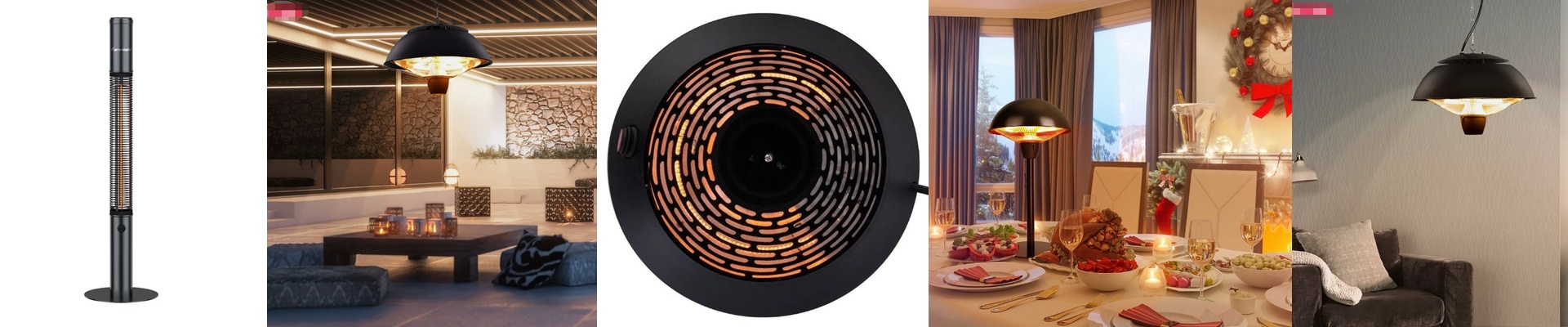



The Reality of Heating in Hazardous Zones
Let’s get real. We built these carbon fiber infrared lamps for one place and one place only: environments where chemical cleaners are in the air and flammable vapors are a constant worry. Standard heaters just don’t stand a chance in a place like that. The real challenge isn’t just making heat. It’s about keeping that heat contained—without creating a single spark that could set everything off. So we started from scratch, rethinking how to physically protect the lamp from the moment it’s switched on.
The Power Behind the Heat
It all comes down to how we manage the power. Inside, you’ve got a carbon fiber element, tucked away safe inside a tough quartz or specially engineered glass shell. It’s built to handle the shock of heating up and cooling down fast, without cracking. We fine-tune the voltage and wattage to deliver a focused blast of infrared energy, not just a warm glow. That means you get serious heat from a small package. But here’s the trade-off: because that energy is so concentrated, it creates a lot of localized heat. So, the system needs its own dedicated, well-ventilated electrical enclosure to keep everything running safely.
How We Keep It Safe
Safety is all about the build. The carbon fiber heating element is completely sealed off from the outside world. At the terminals, we use a chemically inert, high-temperature ceramic or glass seal. It’s the one thing standing between the hot filament and the corrosive chemical vapors. Then, we finish the whole thing with an anti-static coating. This whole setup stops sparks, fights off corrosion, and keeps the lamp steady—even when it’s getting splashed by harsh cleaning solutions.
What This Means for You
Picture this: you’re running a chemical cleaning line. With this heater, you can install it right where you need it—directly in the process zone. No need for extra shielding or complicated air curtains just to protect the element. And because the lamp is so stable, your equipment stays up and running. It’s a straight swap for older, weaker systems, and it handles the thermal shock of turning on and off all day long without wearing out. For you, that means maintenance is predictable. And that nasty, unexpected downtime caused by a heater failure in a hazardous area? It just becomes a thing of the past.