


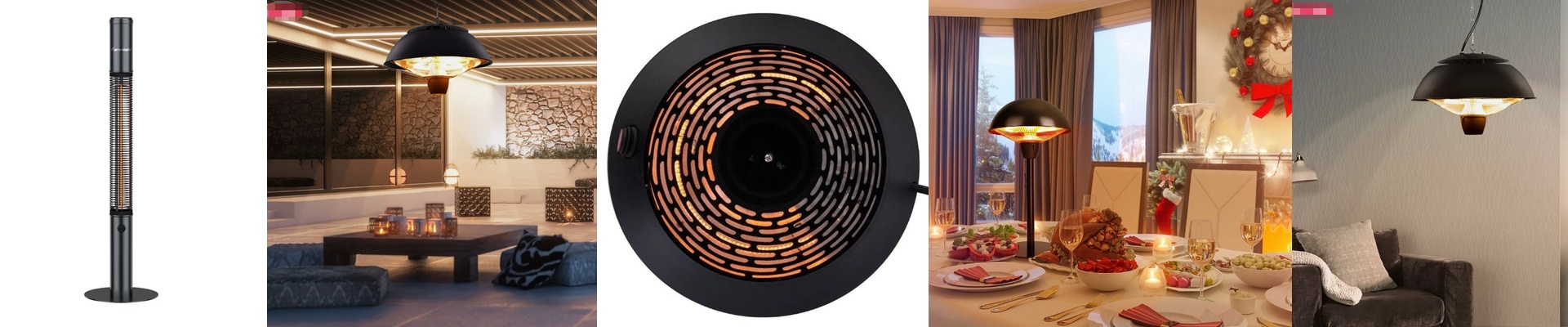

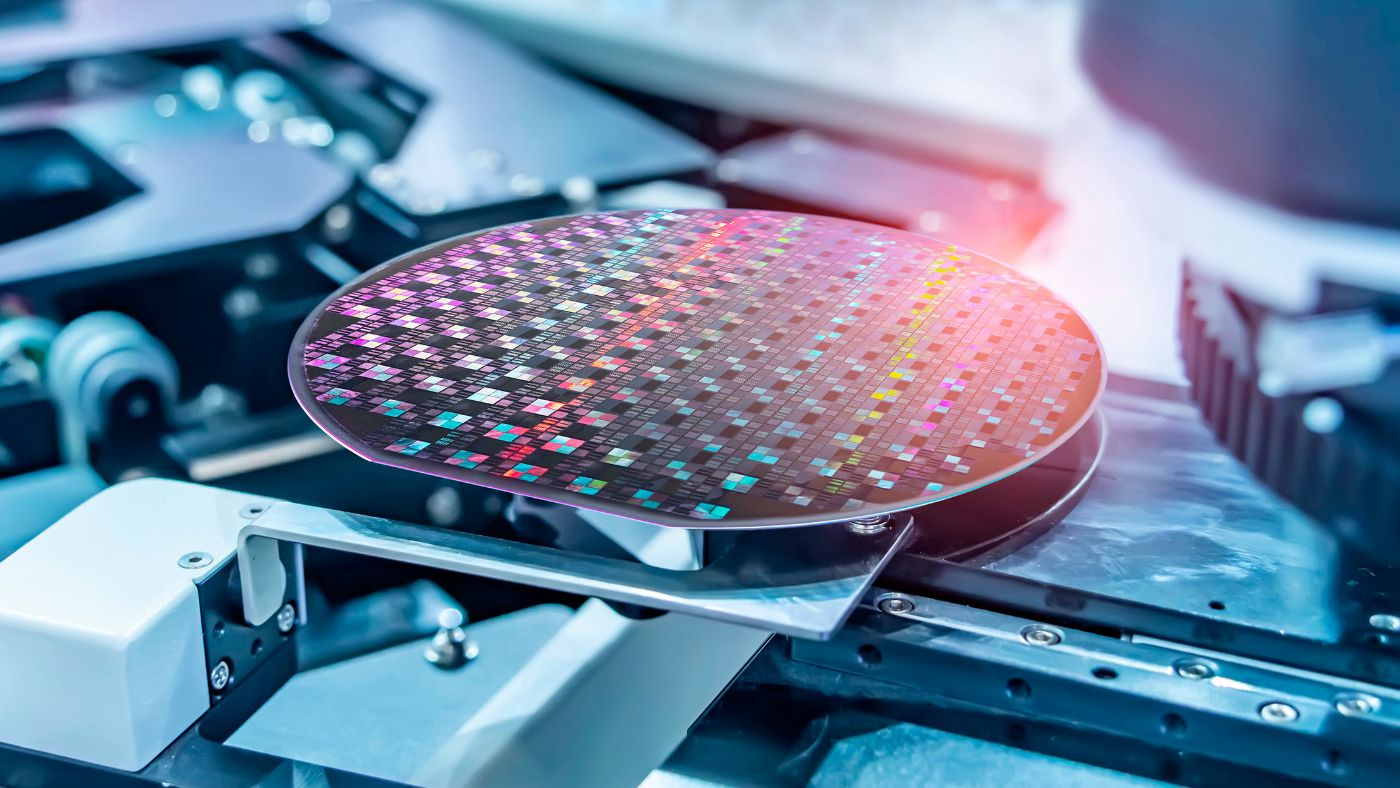
On the fab floor, the rinse is only as good as the dry. Water marks, streaks, and leftover moisture after the wash will eat yield — fast — especially below 28nm. Standard hotplates? You get thermal lag, and every time the chuck ramps up and down, you’re courting particles. A fast post-rinse lamp drier is how we close that loop with speed and control. What matters under the hood We built the lamp around short-wave infrared (SWIR) halogen emitters in a quartz envelope. The response is quick, and the spectrum sits right on water’s absorption band. Wafer-level thermal uniformity holds within ±0.1°C across the substrate, which protects photoresist integrity when the wafer hits the soft bake and hard bake steps right after. Cleanroom Class 1–100 is achievable because the hot zone uses zero-particle materials and the unit sits under a laminar airflow hood. Output stays stable over 5,000+ hours with under 5% drift, and the setpoints repeat day after day without retuning. Why it plays in production Right after the rinse, the lamp dries a 300mm wafer in seconds, not minutes. That cuts cycle time and makes lot control tighter. The thermal repeatability reduces photoresist process variation, so you see fewer defects tied to temperature swings. Energy use drops, too, because SWIR heats the film directly instead of heating the whole chuck. Fewer reworks, steady uptime, and a process window that stays in spec. What you need to plan for The lamp integrates with SECS/GEM for host communication, but it needs a dedicated power feed and verified exhaust to keep temperature stable. Leave a 12-inch clearance above the wafer path to preserve laminar flow. Commissioning is short, but make sure your rinse-to-dry handoff matches the lamp’s conveyor speed.