


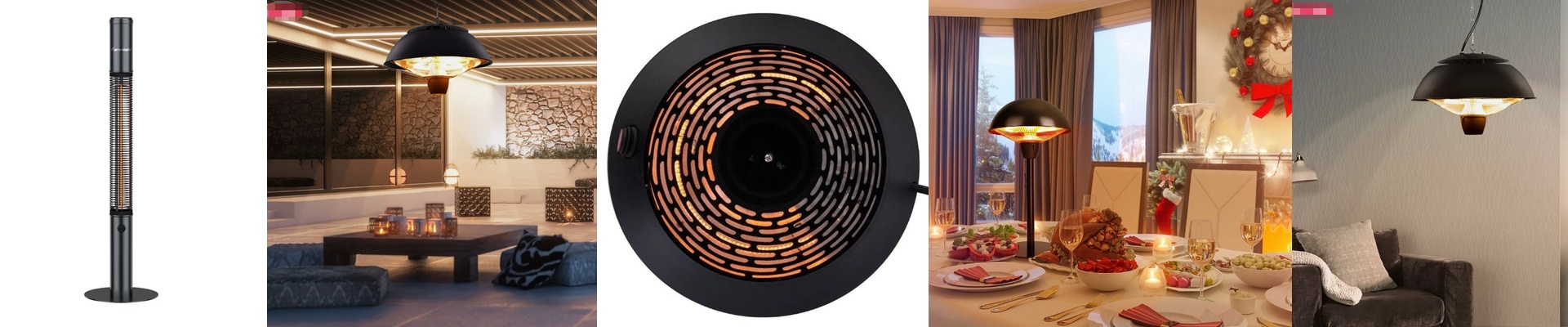

Why Most Bathroom Heaters Die (And How We Fixed Ours)
Let’s be honest: bathrooms are a nightmare for electronics. You’ve got thick steam, constant humidity, and the occasional stray splash of water. It’s a recipe for disaster. Most heaters just can’t handle it—the terminals rust, the wiring shorts out, and suddenly you’re shivering in a cold room. We got tired of seeing heaters burn out, so we changed how we build ours.
The battle against the fog
The real killer isn’t usually a big splash; it’s the fog. When a heater clicks on and off, those temperature swings create tiny water droplets inside the machine. If that moisture hits the electrical contacts, it starts eating away at them. To stop that, we sealed the housing. We basically gave the internals their own dry bubble. By keeping the damp air away from the guts of the heater, the connections stay clean and the heat stays consistent. No rust, no surprises.
Keeping the water out
Then there’s the “splash factor.” One wrong move with the shower curtain and a cheap heater is toast. We didn’t cut corners here. We used high-grade silicone gaskets and reinforced seals at every single joint. It’s all about making sure water stays on the outside of the chassis. If you’re putting these in a high-moisture spot, you want that peace of mind. You shouldn’t have to worry about a ground fault just because you took a long shower.
The tricky part: breathing
Here is the catch. When you seal everything up tight to keep water out, you accidentally trap the heat inside. If the control board gets too hot, it fries itself. It’s a balancing act. We spent a lot of time tweaking the airflow of the chassis so the unit can still “breathe” without letting the steam in. You get the protection of a sealed box, but the internals stay cool enough to actually last. At the end of the day, we just wanted to build something that doesn’t need to be replaced every two years. We focused on the hardware—better seals, tougher barriers—so the gear can take a beating in a wet bathroom and still put out the heat you paid for.