



Built for the Grind: Why Our Ceiling Heaters Don’t Quit
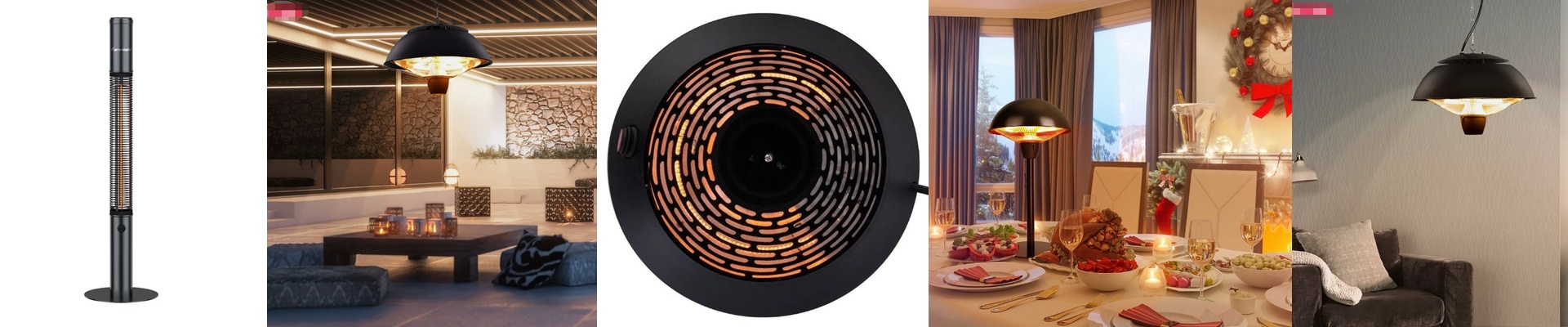
Let’s be honest: factory ceilings are a nightmare. You’ve got oil mist floating in the air, constant humidity, and enough dust to bury a city. If you put a standard infrared heater up there, it’s basically a countdown until it burns out. We got tired of seeing units fail, so we rebuilt our ceiling radiant series to actually survive the shop floor. We focused on two things: the seal and the surface. The problem with fog When moisture hits a heater lens, it doesn’t just look cloudy. It’s actually dangerous for the machine. Water clings to the quartz tube or the reflector, which messes with how the heat spreads. You end up with these intense “hot spots.” Eventually, that stress makes the glass crack or the filament just give up. To fix this, we added a hydrophobic coating to the heating elements. Think of it like a rain-repellent for your windshield. Instead of fogging up, the moisture beads up and just rolls away. The heat stays even, and you don’t have to worry about the tube shattering from thermal shock. Keeping the gunk out Shop floors are messy. Between liquid splashes and conductive dust, the inside of a heater is a prime target for a short circuit. We didn’t just slap some tape on it. We used reinforced gaskets and sealed the housings tight. We focused specifically on the wiring terminals and the chassis joints—the places where things usually leak. And the housing? It’s powder-coated. We avoided that thin, cheap paint that flakes off the moment the unit swings from 0°C to 500°C. It stays put. One quick heads-up Here’s the thing: adding these seals and coatings changes how the outer casing breathes. If your team mounts these units flush against the ceiling without a gap, they’ll overheat. Just make sure you follow the clearance specs for airflow. Give the units some room to breathe, wire them up to the right voltage, and the anti-fogging tech does the heavy lifting from there.