

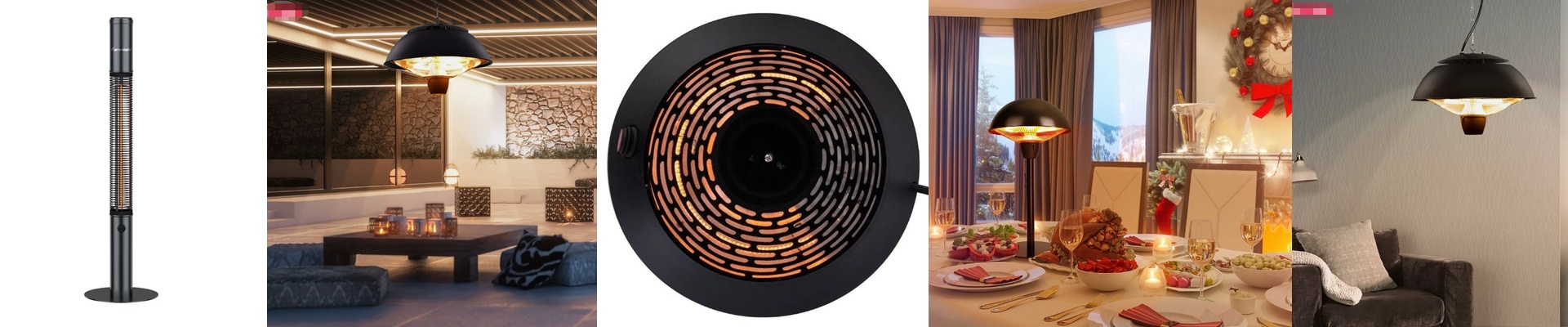



Why Your Bathroom Heater Keeps Dying (and How to Actually Fix It)
Ever notice how those standard halogen lamp warmers just… quit? It’s usually because bathrooms are brutal on electronics. Between the thick steam and the random splashes, those cheap residential heaters aren’t built to survive. That’s why we’ve been moving away from the old stuff and switching to high-waterproof infrared systems. They actually handle the humidity without burning out in six months. The deal with “IP Ratings” You’ll see things like IP44 or IP65 on the spec sheets. In plain English? It just means the unit is sealed tight. A basic heater (like an IP20) might keep a finger out of the wiring, but it does nothing against water. In a steamy shower, moisture gets everywhere. If a drop of water hits a scorching hot quartz tube, the glass can literally crack from the shock. By using gaskets and sealed terminals, these higher-rated units keep the water out and the heat in. Stop trying to heat the air Here is the thing about traditional heaters: they try to warm up the air in the room. But in a bathroom, that warm air just disappears through the vents or under the door. It’s a waste of energy. Infrared is different. It doesn’t care about the air. It sends heat directly to your skin. We use short-wave emitters because they’re instant. You flip the switch, and you feel the warmth immediately. No more shivering while you wait for the room to “warm up.” A few warnings for the install You can’t just shove these into any old ceiling and hope for the best. Since infrared heat is concentrated in a beam, you have to give it some breathing room. If you mount it too close to the ceiling, you risk scorching your paint or melting the plastic trim. Give it at least 150mm to 300mm of clearance. If you cram a powerful unit into a tight spot with no airflow, the thermal cutout will trip, and the whole thing will just shut off. Also, do yourself a favor: put these on their own dedicated circuit. These arrays pull a lot of power. If you use undersized wiring, you’ll get a voltage drop, and your “heater” will feel more like a lukewarm breeze.