


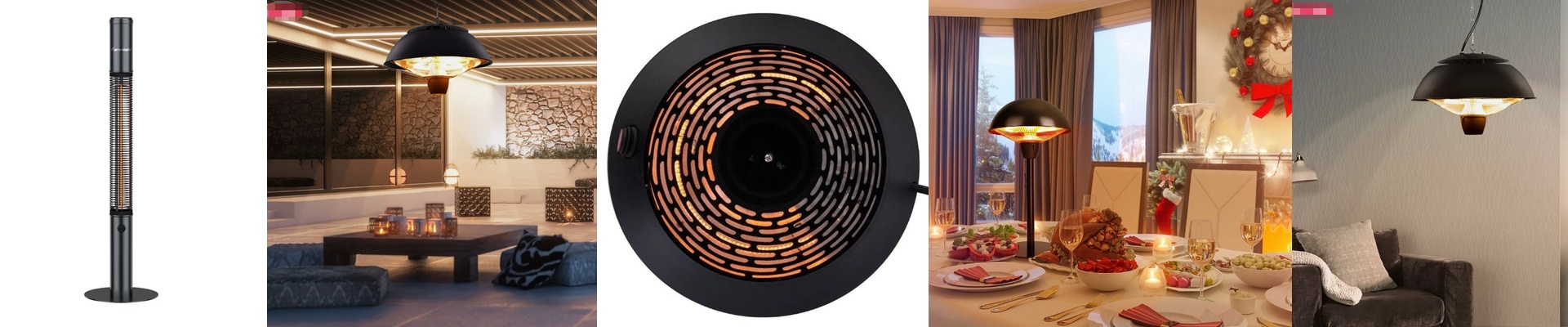


Why You Should Swap Your Old Bathroom Lamp Warmer for an IPX4 Infrared Heater
Let’s be honest: those old-school bathroom heat lamps are kind of a joke. They use basic bulbs that aren’t really built for a wet environment. We’re seeing more people switch over to IPX4 infrared heaters, mostly because standard heaters just can’t handle the constant steam and splashing that happens in a modern shower. The deal with IPX4 If you see “IPX4” on a box, it basically means the unit can handle water splashes from any angle. But it’s not just about making sure the thing doesn’t short out. It’s about the invisible stuff. Water vapor loves to sneak into the housing and eat away at the wiring or the heating elements. To stop that, we use sealed gaskets and heavy-duty casing. It keeps the humidity out so your heater doesn’t just burn out after a few months of heavy use. Why infrared actually works Most heaters try to warm up the air. The problem? Air moves. If you’ve got a drafty bathroom, that warmth is gone the second you open the door. Infrared is a different beast. Instead of fighting the air, it sends out waves that heat up objects—and you—directly. It feels like standing in a patch of sunlight. You don’t have to wait ten minutes for the room to warm up; you feel it the second you flip the switch. We usually use quartz or halogen elements for this. They pack a ton of heat into a tiny space, which is perfect for a bathroom. A few things to keep in mind Before you go buying one, a heads-up on the wiring. These units pull a lot of power. If your house has old wiring, you’ll probably need to upgrade your breakers so you aren’t constantly tripping them. And just a reminder: IPX4 is great for splashes, but it’s not a submarine. Don’t install it inside the shower tray or anywhere a high-pressure jet can hit it directly. Stick to the ceiling or high up on the wall. You’ll get a better “throw” of heat, and you’ll keep the unit safe.