


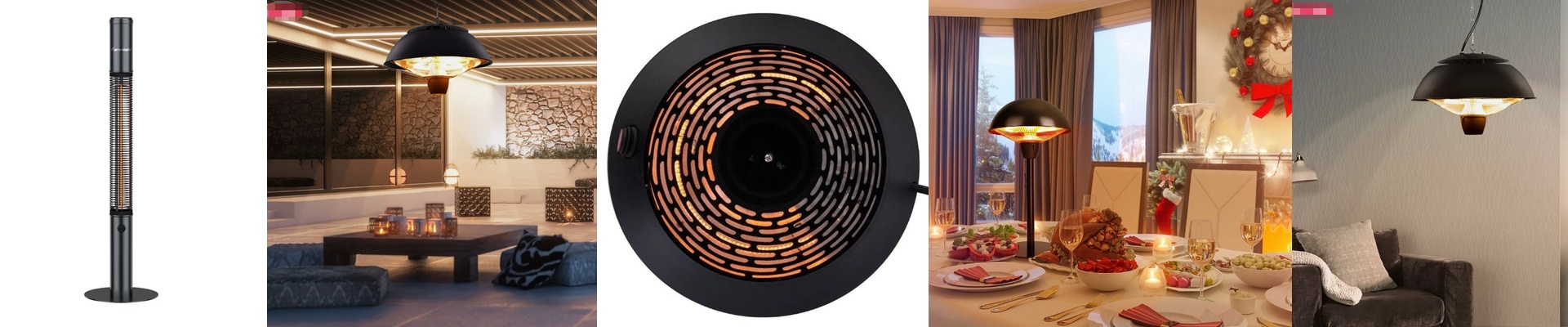


Why You Can’t Mess Around With Quartz Glass in Wet Areas
Putting infrared heaters in a bathroom or under a pergola sounds like a great idea—until you realize you’re mixing high-voltage heat with water and wind. It’s a risky combo. Standard quartz tubes just aren’t built for this. That’s why we stick with explosion-proof quartz glass. It’s the only way to make sure a broken tube doesn’t turn into a nightmare.
The Problem With “Thermal Shock”
Quartz is great because it can handle insane heat and lets infrared rays pass right through. But it has a bit of a temper. Imagine a tube glowing at 600°C. Now imagine a single, cold drop of water hitting it. The glass shrinks instantly in that one spot. This creates tiny micro-cracks. If the glass isn’t specifically treated, the whole thing can just… pop. Our tubes have a reinforced layer to stop that from happening. Even if the glass does break, it doesn’t shatter into dangerous, razor-sharp shards. Instead, it breaks into small, blunt pieces that stay put. No one wants glass raining down on them while they’re in the shower or lounging outside.
More Than Just a Waterproof Box
A waterproof housing is a start, but it’s not the whole story. You’re dealing with a massive amount of heat density here. We build these tubes to handle being switched on and off quickly without ruining the seal. But remember, the hardware is only as good as the power getting to it. Make sure your wiring and connectors can actually handle the amperage. If the connections are sloppy, you’ll get voltage drops and terminals that get way too hot.
The Honest Trade-off
Look, nothing is perfect. Because explosion-proof quartz is reinforced, it doesn’t let the infrared light through quite as freely as a thin, raw piece of quartz. You might notice it takes a tiny bit longer to feel that initial wave of heat. But honestly? That’s a price I’m happy to pay. I’d much rather wait an extra few seconds for the warmth than deal with a catastrophic failure.