

Why we put our heaters through “damp-heat” torture tests
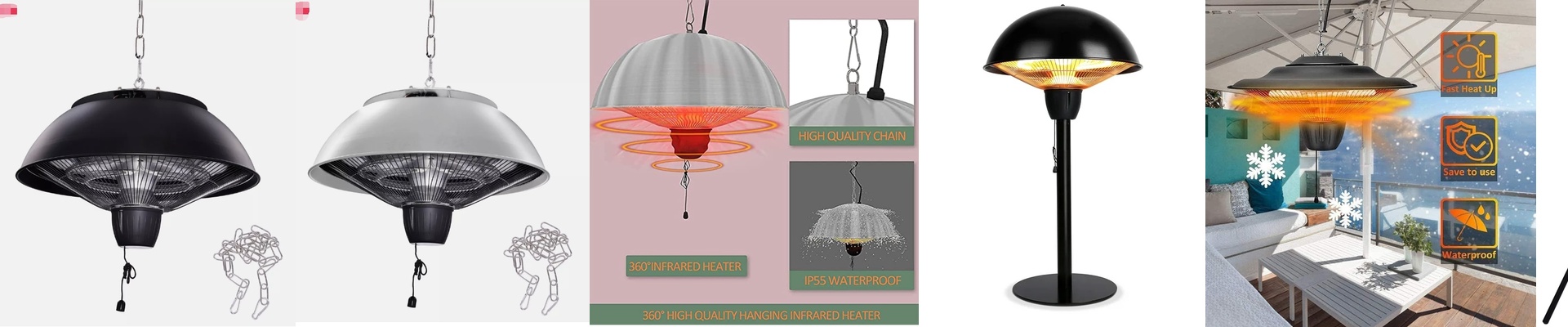
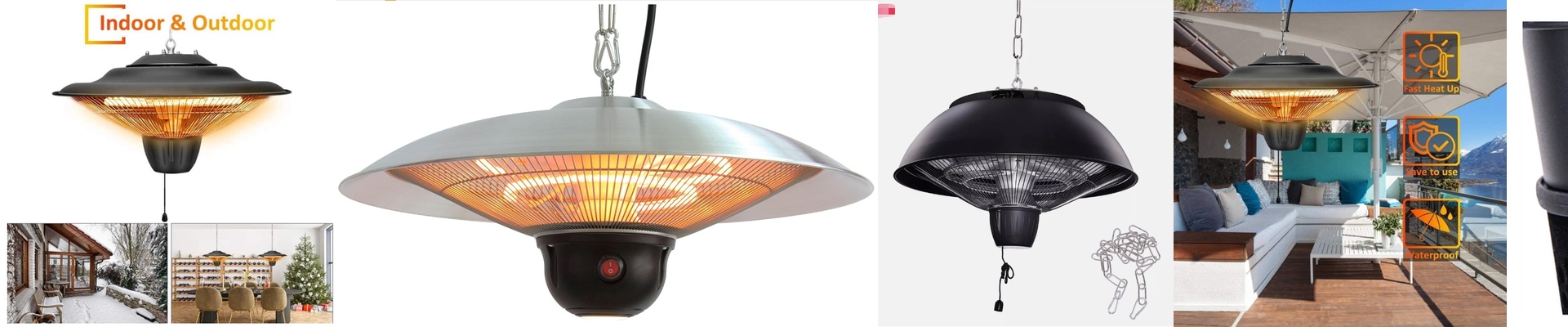
Bathrooms are absolute nightmares for electronics. Think about it: you’ve got thick steam, random water splashes, and temperatures that swing from freezing to boiling in minutes. On paper, our infrared heaters are rated IP55. But honestly? A spec sheet doesn’t mean much when you’re actually using the thing in a steamy shower. That’s why we don’t just trust the rating—we try to break the heaters ourselves using damp-heat aging tests.
The stealthy side of moisture
Here’s the thing about water: liquid is easy to block. But vapor? Vapor is sneaky. It can slip through seals that would stop a garden hose cold. Once that moisture gets inside, it settles on the electrical contacts and the quartz lamp. If the seal isn’t perfect, the terminals start to oxidize. That leads to arcing, sparks, and eventually, a dead heater. Nobody wants that.
Why we “age” the gear
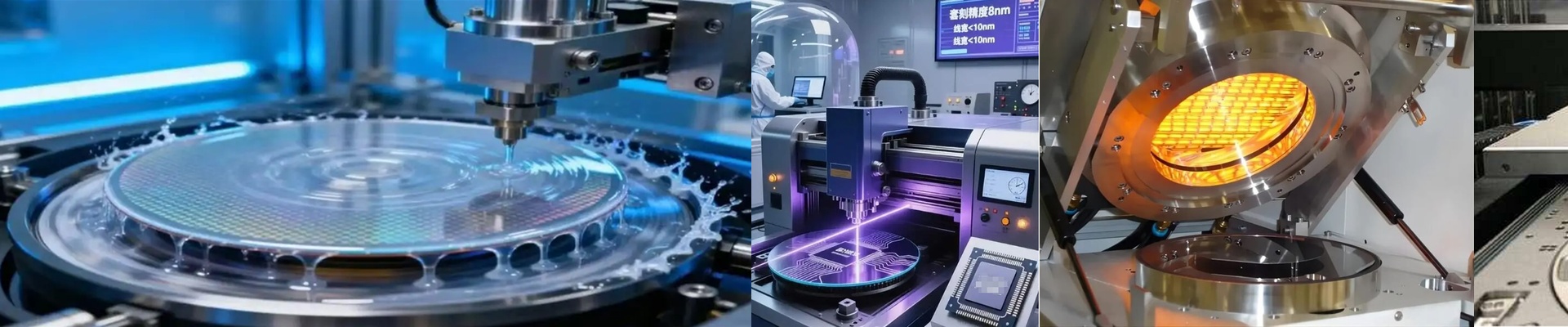
We aren’t satisfied with just testing one brand-new unit. Instead, we lock these heaters in a chamber of extreme heat and humidity for hundreds of hours. We’re basically forcing the materials to expand and contract over and over. We want to find the exact moment a gasket gives up or a coating cracks. If a heater fails after 50 hours, we go back to the drawing board. Maybe the seal is too stiff. Maybe the drainage holes are in the wrong spot. We’d rather find those flaws in our lab than have you find them in your bathroom.
The balancing act
It sounds simple—just seal it tighter, right? Not exactly. If you seal a heater too tightly to keep the moisture out, the internal electronics can’t breathe. They start to cook. It’s a constant tug-of-war between keeping the water out and letting the heat escape. To make it work, we use heavy-duty internal wiring that can handle the heat without tripping the safety switch during a long, relaxing session.