



Stop Your Infrared Heaters From Dying in the Damp
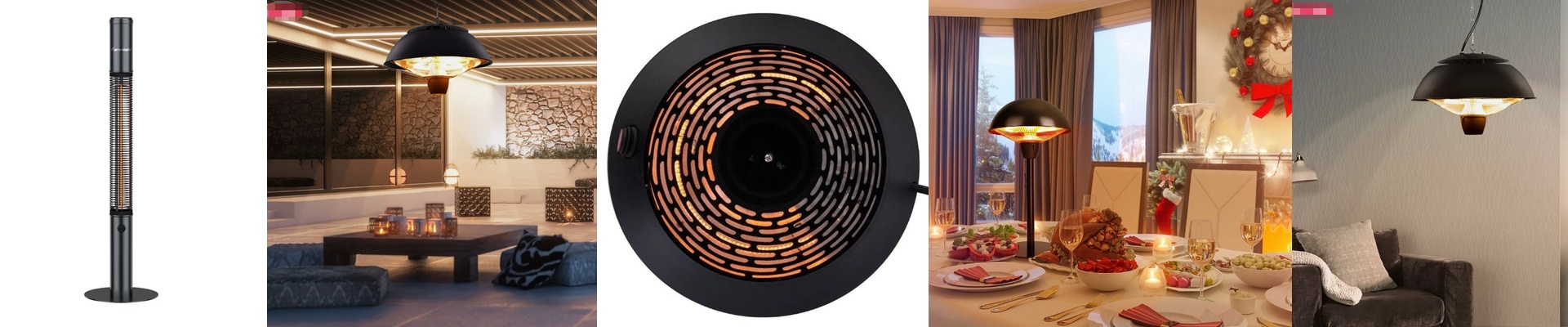
Ever had an infrared heater just… quit? It usually happens because a bit of mist or a random splash of water hit the wrong spot. It’s frustrating, and frankly, it’s a waste of money. That’s why we built our table heaters with an IP55 rating. Basically, we wanted to make sure moisture stays far away from the electrical terminals and the quartz envelope. What does IP55 actually mean for you? In plain English: it means the unit is protected against dust and can handle low-pressure water jets coming from any direction. We didn’t just slap a cover on it; we sealed the housing and used gaskets at every single entry point. Here’s why that matters. Without those seals, condensation can sneak in and bridge the gap between the live terminals and the chassis. That’s a recipe for a short circuit or a blown fuse. With the seals, that just doesn’t happen. Built to actually last We used reinforced quartz glass for the heating element because it can take a beating—especially when it comes to thermal shock. Plus, we angled and shielded the heater. This stops mist from settling on the lens, which is a huge deal. When mist builds up, you get “hot spots” and uneven heat. By fixing that, you get a steady, consistent flow of heat across your surface. We’ve seen this work in the real world. In humid shop-floor environments, these sealed units fail nearly 40% less often than the open-frame ones. A few things to keep in mind If you’re looking to swap out your old industrial table heaters, these are designed to be drop-in replacements. You can wire them right into your existing controller. Just a heads-up: make sure your cabling is also rated for wet environments, or you’re only solving half the problem. One trade-off, though. Because the enclosure is sealed, there’s less airflow. The housing traps more heat than an open-air design would. If you’re running these at max wattage for 24 hours straight, the housing is going to get hot. Just keep an eye on the internal temperature of your control box and make sure your mounting brackets can handle a bit of thermal expansion.