

Keeping People Warm When Things Get Wet: The Truth About IP66 Heaters
If you’ve ever tried to heat an outdoor changing area or a poolside deck, you know the struggle. You aren’t just dealing with the cold. You’re fighting a constant battle against humidity, salt spray, and the occasional splash of water. Most standard heaters just can’t handle it. They short out or burn through in no time. That’s why we lean on IP66-rated enclosures and shortwave infrared tech. It’s the only way to make it actually last.
Why Infrared Just Works
Here is the thing about traditional heaters: they try to warm the air. But in a drafty changing room? That warm air is gone the second a breeze hits. You’re basically wasting 60% of your energy. Infrared is different. It doesn’t care about the air. It sends out energy that hits the target—whether that’s a person or a wall—directly. It’s almost instant. You step under it, and you feel that warmth immediately. No waiting around for the room to “warm up.”
The Nitty-Gritty on Sealing
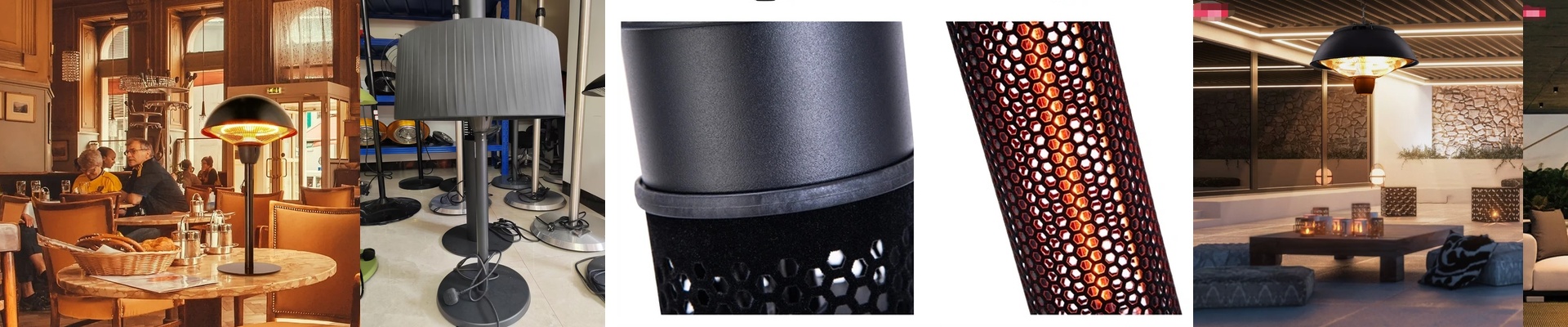
When we talk about an IP66 rating, we’re basically saying the unit is tight. Dust can’t get in, and powerful jets of water won’t break it. We make this happen with high-temp silicone gaskets and aluminum housings that won’t rust away. We also tuck the heating elements behind tempered glass or quartz tubes. This keeps the moisture far away from the electrical terminals, which is where things usually go wrong. One quick heads-up: check your wiring. These high-wattage lamps pull a lot of current. If your circuit isn’t ready for that peak load, you’ll be tripping breakers the moment you flip the switch.
The Trade-offs (Because Nothing is Perfect)
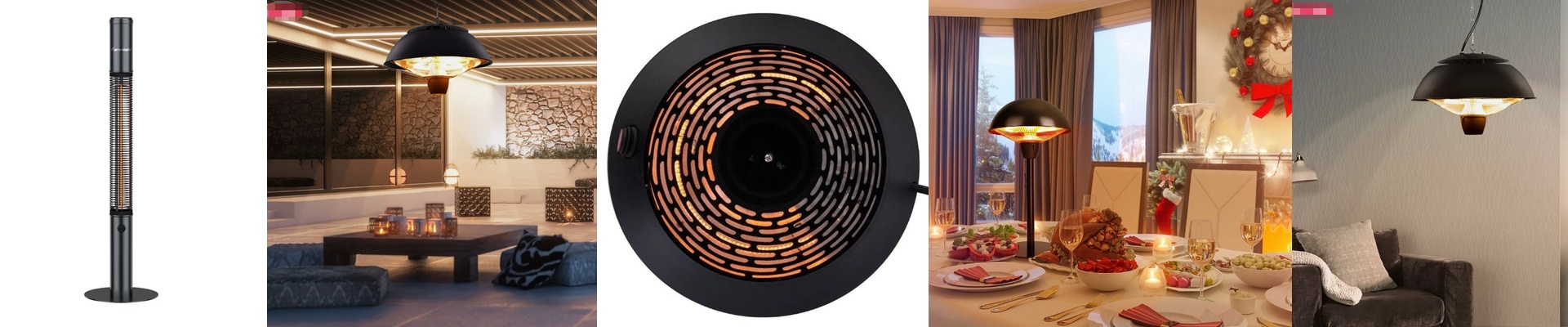
Shortwave infrared is incredibly fast, but it doesn’t “throw” the heat as far as medium-wave options do. If you want that luxury, five-star feeling across a big area, don’t make the mistake of installing one giant unit. You’ll end up with a few hot spots and a lot of shivering. Instead, scatter smaller IP66 units across the ceiling. Sure, it means more wiring drops and a bit more work up front, but it’s the only way to make sure everyone stays warm, no matter where they’re standing.